What's Actually in Season in September and October
A real look at fall produce prices and what to cook before your butternut squash or brussels sprouts glut turns.
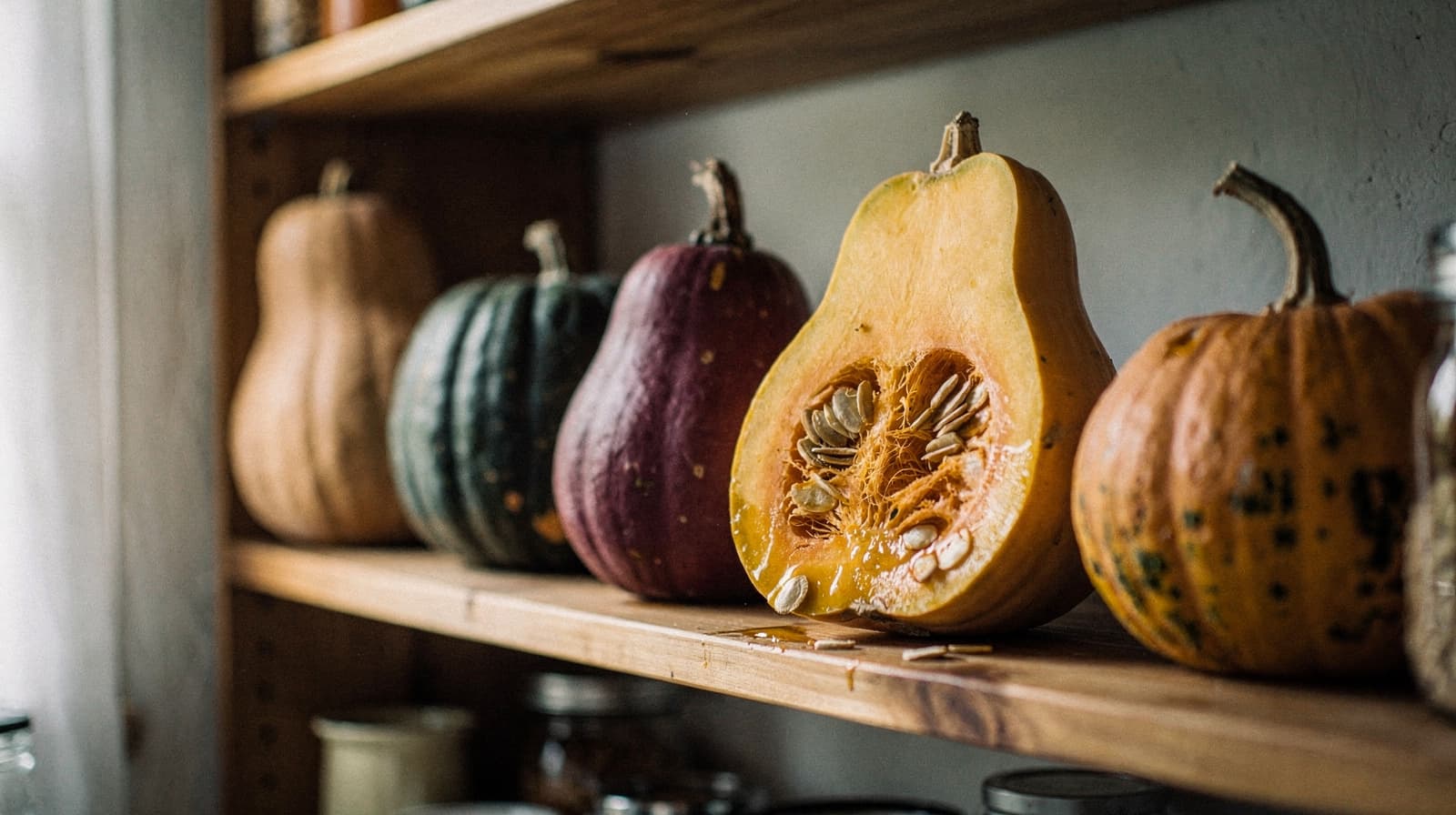
Butternut squash costs about 79 cents a pound at most grocery chains in October. Come February, the same squash, trucked in from Mexico or Chile, weeks older, runs $1.79 to $2.29 a pound. That's not a rounding error. On a 3-pound squash, you're paying an extra $3 to $4.50 for a worse vegetable, because winter squash loses sweetness and texture the longer it sits off the vine, and the "fresh" one in February has usually been in storage since August anyway.
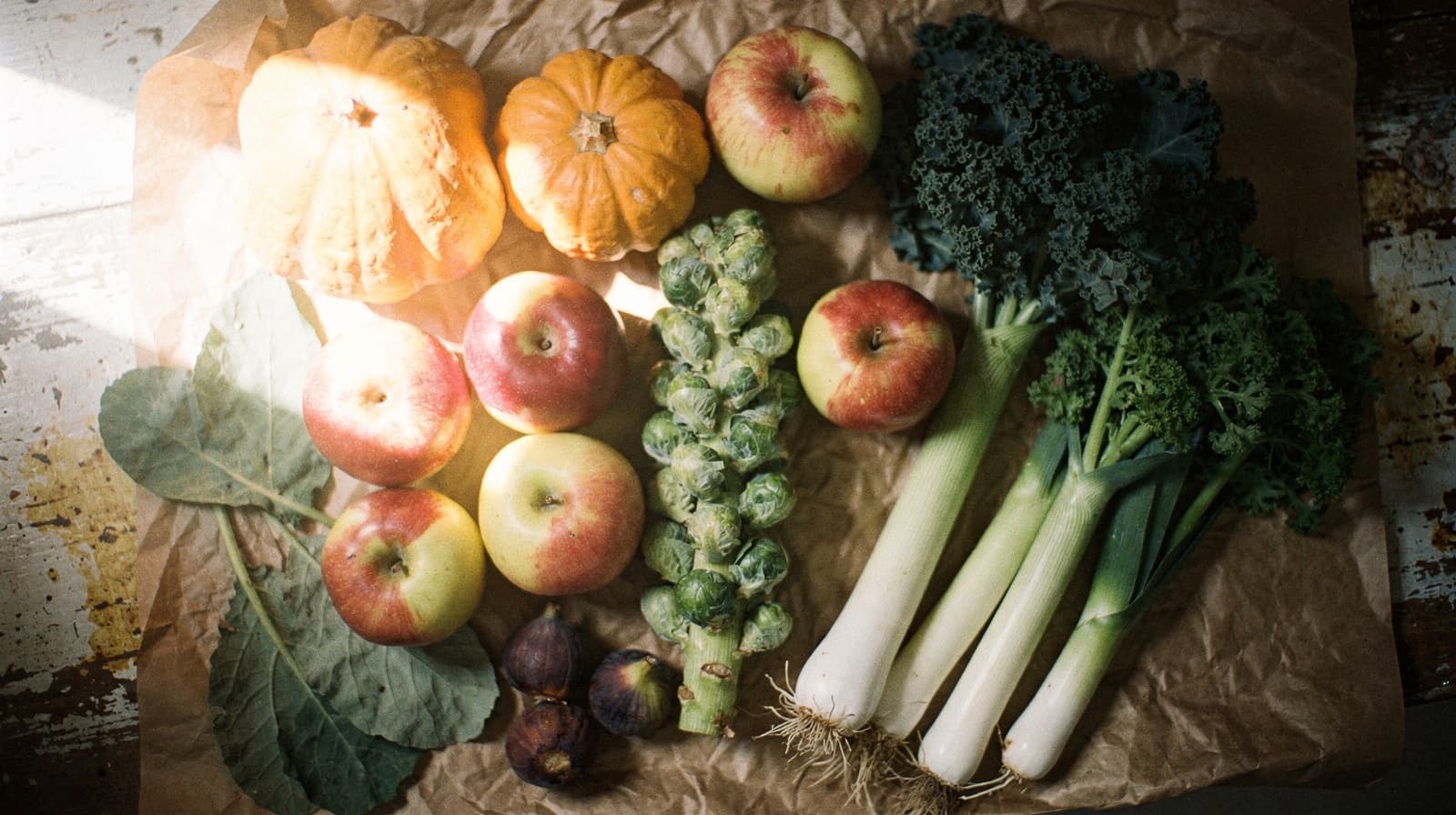
September and October are the two months a home cook in most of the US can stop guessing. Farmers markets and grocery produce sections both shift hard toward a specific list: apples, winter squash, brussels sprouts, cabbage, pears, sweet potatoes, the last tomatoes of the year, dark leafy greens, and mushrooms. Prices on all of them drop, sometimes by half, and the flavor gap between "in season" and "shipped in" is wider here than in any other produce category. Here's what's cheap right now and what to do with it before it goes soft, sprouts, or turns to mush in the crisper drawer.
Winter squash is the best deal of the fall
Butternut, acorn, delicata, kabocha, and spaghetti squash all peak from late September through November, and stores price them 30 to 50% below their February numbers. Buy delicata if you see it. The skin is thin enough to eat, which spares you the peeling fight that makes butternut a chore at 6pm on a Tuesday.
Cooking one squash isn't the problem. The problem is that a single butternut makes more food than most households eat in a sitting, so it sits in the crisper looking identical for three weeks until you deal with it.
Roast the whole thing cubed with olive oil and salt, then split the results three ways. Half goes into a pureed soup with stock and a little nutmeg, a third into a grain bowl with feta and pepitas, and the rest into pasta with brown butter and sage. One squash, three dinners. If you want a full week built around this stretch of the calendar instead of improvising nightly, our soup season meal plan covers it.
Apples and pears are cheap enough to buy by the bag
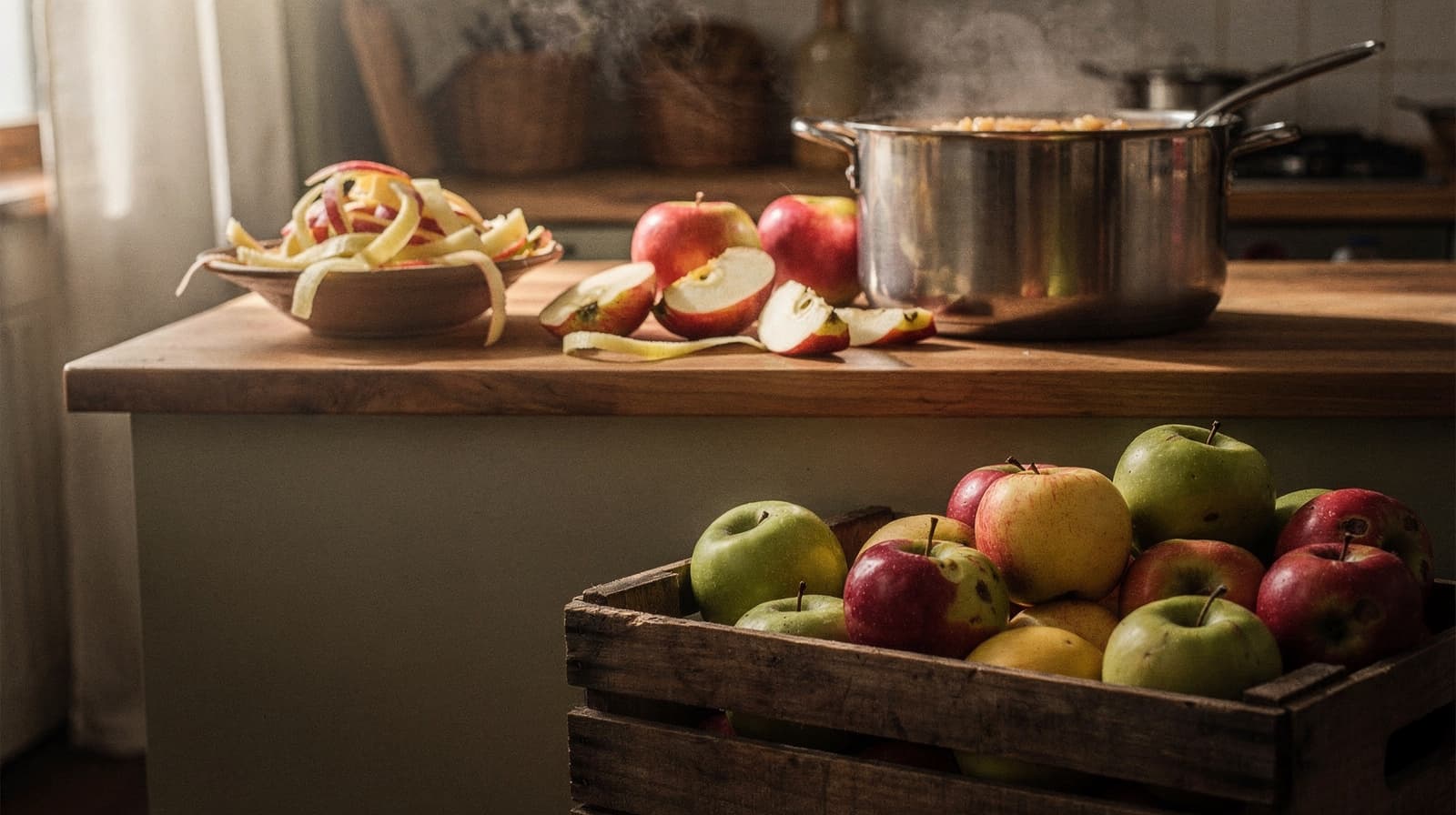
Apple prices fall once regional harvests hit in September, and orchards and grocery chains both run per-pound pricing 30 to 40% below summer stone fruit. Honeycrisp still costs more than Gala or Fuji, because the trees are harder to grow and the fruit bruises if you look at it wrong, but even Honeycrisp is at its yearly low right now.
Pears ripen off the tree, which means the ones you buy in October are usually still firm and need a few days on the counter before they're ready. Don't refrigerate them until they give slightly at the stem end, or you'll get mealy pears that never fully ripen. Bartlett and Anjou both work in the same places: sliced into a salad with something sharp like blue cheese or goat cheese, roasted alongside pork, or just eaten over the sink, which is underrated.
Brussels sprouts and cabbage solve the same problem
Both peak from October through December and both handle high heat well, which makes them the easiest fall vegetable to like even if you've written them off. Brussels sprouts get bitter when steamed or boiled, and that's the smell people remember from childhood and the reason they have a bad reputation. Roasted at 425°F, halved, cut-side down, for 20 to 25 minutes, they caramelize instead of steaming and come out closer to a vegetable chip than a punishment.
Cabbage is the vegetable most likely to sit in your fridge untouched because a single head is enormous and most recipes only need a quarter of one. Treat it the way you'd treat a big bag of anything else you're not sure how to use up fast: a wedge roasted whole with oil until the edges char, another portion shredded raw into a slaw with lime and fish sauce, a third braised with bacon and vinegar until it collapses down to almost nothing. If cabbage keeps outlasting your plans for it, the no-waste meal plan has a whole framework for working through a big vegetable before it turns, not just cabbage specifically.
Sweet potatoes and dark leafy greens round out the produce aisle
Sweet potatoes hit their yearly low in October and, unlike white potatoes, they keep for months in a cool dark cabinet with no special handling. Buy eight instead of three. Halved and roasted at 400°F for 45 minutes, mashed with a little maple syrup, or cubed into a chili, they're hard to ruin.
Kale, chard, and collards get sweeter after the first cool nights, and that's a chemical change rather than a marketing line: cold pushes the plant to convert starch into sugar as a kind of antifreeze. July kale tastes like a lawn. October kale doesn't.
They still wilt fast. A bag that looked fine at the store can be slimy by day four. Spin the leaves dry, tuck a paper towel in the bag, and you buy three or four extra days. Our guide to keeping fresh herbs alive works through the same moisture-control logic, and it carries over to greens more or less unchanged.
Late tomatoes and mushrooms are worth grabbing before they're gone
Tomatoes are technically a summer crop, but the last big push of the season runs through late September in most of the country, and it's often the cheapest tomatoes get all year as growers move volume before frost. This is the window for a big batch of roasted tomato sauce to freeze, not for the pale, mealy ones that show up in grocery stores from November through May.
Mushrooms don't follow the same weather-driven pricing swing as produce grown outdoors, since most are grown indoors year-round, but fall is when they show up most in season-driven cooking: risottos, braises, deep umami-heavy dishes that pair with everything else on this list. Cremini and shiitake both hold up better than white button mushrooms in a braise, since they don't turn rubbery the same way.
What to do with all of it
Seasonal shopping falls apart at the same place every time: you buy five or six of these at once and plan dinners later. A squash goes soft, half a bag of greens turns, and the whole exercise feels like money in the bin. If you already save recipes with RecipeClip, tag a handful "fall produce" before you shop, so there's a list to pull from once the vegetables are on the counter and you can't remember what you meant to make with that cabbage.
A week built entirely from this list:
- Monday: roasted delicata and a kale salad
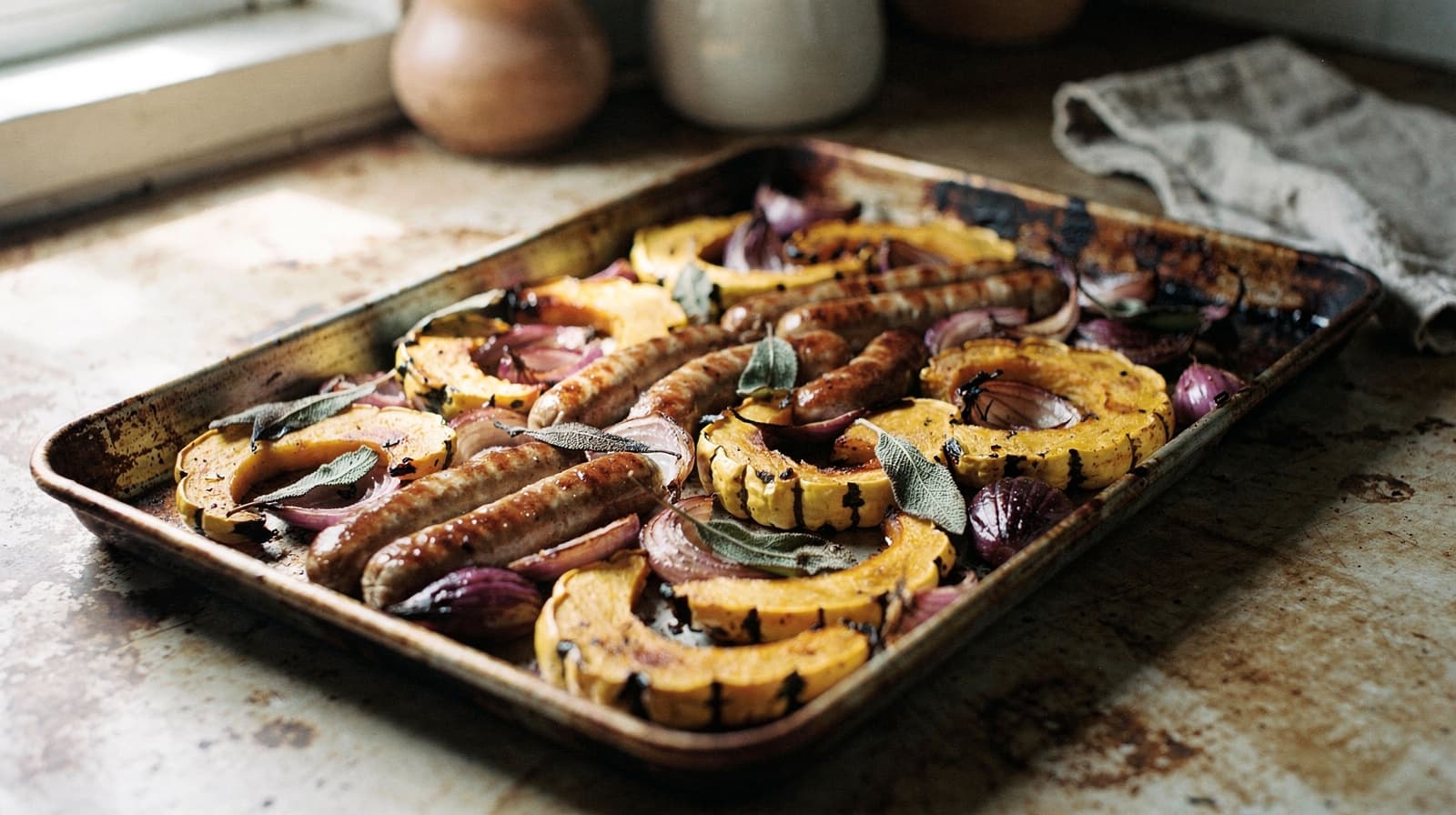
- Tuesday: brussels sprouts and sausage on a sheet pan
- Wednesday: squash soup and grilled cheese
- Thursday: cabbage and pork stir-fry
- Friday: whatever's left, in a frittata
Check the per-pound sticker on butternut next time you shop. Under a dollar, buy two.