How to Store Fresh Herbs So They Last Longer
Fresh herbs wilting after two days? Learn the best ways to store basil, cilantro, parsley, and more so they stay fresh for weeks.

How to Store Fresh Herbs So They Last Longer
You buy a beautiful bunch of cilantro on Sunday. By Tuesday, it's a sad, wilted mess at the bottom of your fridge.
Fresh herbs are one of the biggest flavor upgrades you can make to your cooking — and one of the most commonly wasted ingredients in American kitchens. The USDA estimates that the average household throws away nearly 30% of purchased produce, and delicate herbs are usually the first to go.
The good news: with a few simple storage techniques, you can keep most fresh herbs vibrant and usable for two to three weeks instead of two to three days. No special equipment required. Just a basic understanding of which herbs need what.
Why fresh herbs go bad so quickly
Before we get into solutions, it helps to understand the problem. Fresh herbs deteriorate fast for three reasons:
- Moisture loss. Herbs are mostly water. Once cut, they start losing moisture immediately and wilt within hours at room temperature.
- Excess moisture. Paradoxically, too much surface water (from washing or condensation) accelerates rot and causes slimy leaves.
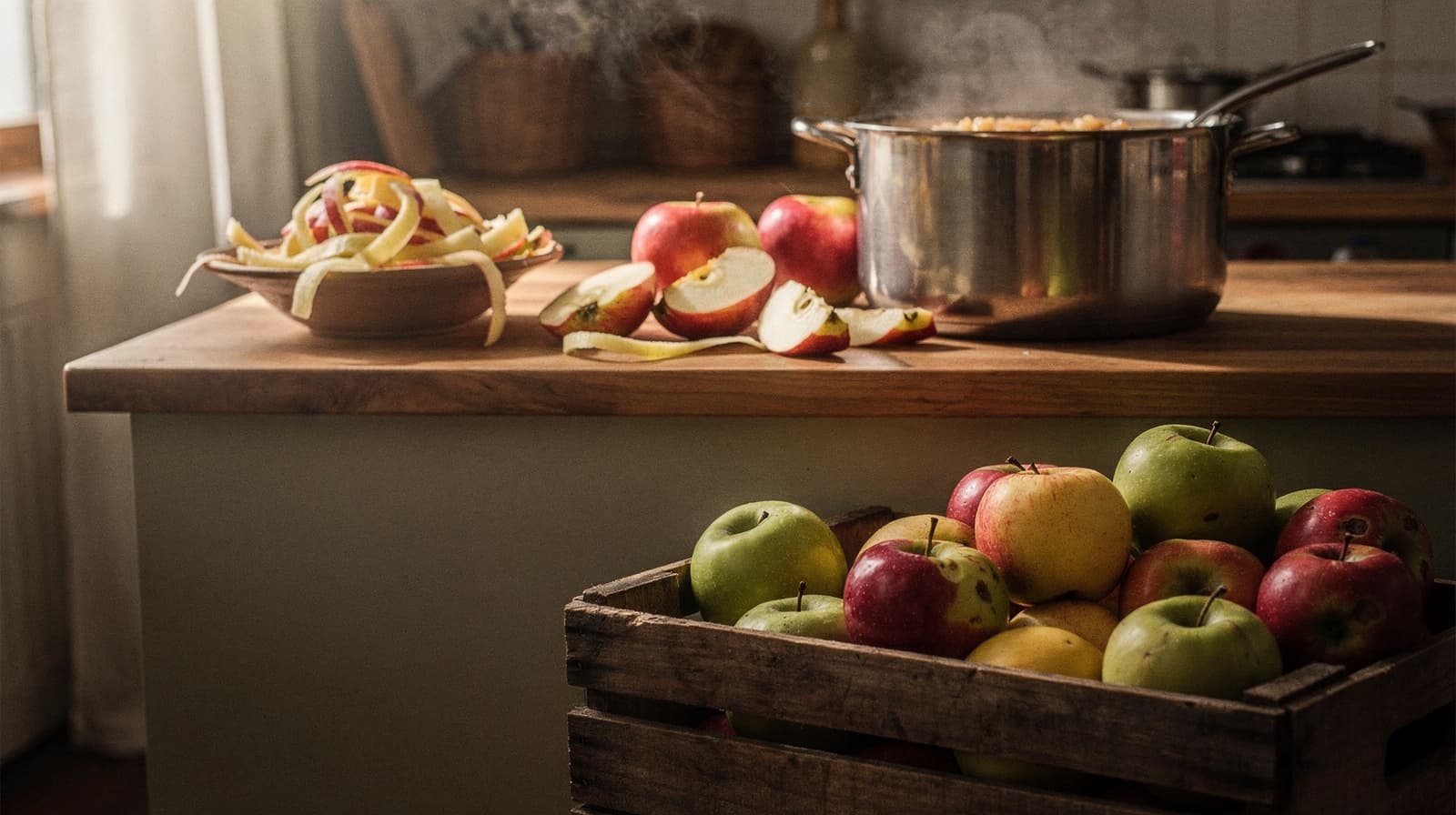
- Ethylene exposure. Many fruits produce ethylene gas as they ripen. Herbs stored near bananas, apples, or tomatoes break down much faster.
Herb storage is a humidity balancing act: enough moisture to prevent wilting, not so much that leaves get soggy.
The two categories: soft herbs vs. hard herbs
Not all herbs are created equal. The first step to proper storage is knowing which category your herbs fall into, because they require different approaches.
Soft herbs
These have tender stems and delicate leaves:
- Basil
- Cilantro
- Parsley
- Mint
- Dill
- Tarragon
- Chives
Hard herbs
These have woody stems and sturdier leaves:
- Rosemary
- Thyme
- Oregano
- Sage
- Marjoram
- Bay leaves
Each category has an ideal storage method. Let's break them down.
How to store soft herbs (the bouquet method)
This is the single most effective technique for cilantro, parsley, mint, and dill. It extends their life from days to two or three weeks.
Step by step:
- Trim the stems. Cut about half an inch off the bottom of the stems, just like you would with cut flowers.
- Remove any damaged leaves. Pick off anything wilted or discolored — one bad leaf accelerates spoilage for the rest.
- Place in a jar with water. Fill a small jar or glass with about an inch of cool water and set the herbs in stem-side down.
- Cover loosely with a plastic bag. Drape a produce bag or zip-top bag over the top. Don't seal it — you want some air circulation.
- Refrigerate. Place the jar on a shelf in the fridge (not the door, where temperature fluctuates).
- Change the water every few days. If the water gets cloudy, swap it out. This prevents bacterial growth.
That's it. This method works because it keeps the stems hydrated while the loose bag maintains humidity around the leaves without trapping too much moisture.
The exception: basil
Basil is the diva of the herb world. It hates cold temperatures. Refrigerating basil below 40°F causes the leaves to turn black and wilt rapidly.
Instead, store basil like a countertop bouquet:
- Trim stems and place in a jar of water on the counter
- Keep it away from direct sunlight
- Change the water daily
- Use within five to seven days
If you need basil to last longer than a week, your best bet is to make a quick pesto or herb butter and freeze it in ice cube trays.
How to store hard herbs (the damp towel method)
Rosemary, thyme, oregano, and sage are much more forgiving. Their woody stems and oilier leaves resist moisture loss better than soft herbs. Still, proper storage makes a real difference.
Step by step:
- Don't wash them yet. Only wash hard herbs right before you use them. Extra moisture in storage promotes mold.
- Wrap in a slightly damp paper towel. Lightly dampen a paper towel (wring it out well) and loosely wrap the herbs.
- Place in an airtight container or zip-top bag. Leave the bag slightly open or poke a few small holes for air circulation.
- Refrigerate in the crisper drawer. The crisper provides more consistent humidity than open shelves.
Stored this way, hard herbs will easily last two to three weeks — sometimes even longer for rosemary.
Quick-reference storage chart
Here's your at-a-glance guide:
| Herb | Method | Location | Lasts |
|---|---|---|---|
| Basil | Jar of water, uncovered | Countertop | 5–7 days |
| Cilantro | Jar of water, covered | Fridge | 2–3 weeks |
| Parsley | Jar of water, covered | Fridge | 2–3 weeks |
| Mint | Jar of water, covered | Fridge | 2–3 weeks |
| Dill | Jar of water, covered | Fridge | 1–2 weeks |
| Rosemary | Damp towel, sealed bag | Fridge crisper | 2–3 weeks |
| Thyme | Damp towel, sealed bag | Fridge crisper | 2–3 weeks |
| Oregano | Damp towel, sealed bag | Fridge crisper | 2 weeks |
| Sage | Damp towel, sealed bag | Fridge crisper | 2 weeks |
| Chives | Damp towel, sealed bag | Fridge crisper | 1–2 weeks |
How to freeze herbs for even longer storage
When you've bought more herbs than you can use, freezing is your best friend. Here are two methods:
The oil cube method
- Chop your herbs finely (works great for basil, cilantro, parsley, and dill)
- Pack them into ice cube trays, filling each well about two-thirds full
- Pour olive oil over the herbs to cover
- Freeze solid, then pop the cubes into a freezer bag
- Drop a cube directly into soups, stews, pasta sauces, or stir-fries
Each cube gives you roughly a tablespoon of herb-infused oil — perfect for quick weeknight cooking.
The flash-freeze method
For herbs you want to keep loose (great for hard herbs):
- Spread clean, dry herb leaves on a baking sheet in a single layer
- Freeze for one to two hours until solid
- Transfer to a freezer bag, pressing out excess air
- Crumble directly into dishes as needed
Frozen herbs won't work for fresh garnishes, but they're perfect for anything cooked.
Three mistakes that kill your herbs faster
Even with good storage, these common habits will shorten herb life dramatically:
1. Washing before storing. Excess water on leaves is the number-one cause of premature slime. Only wash herbs right before you use them (exception: the bouquet method, where only stems touch water).
2. Storing near ethylene-producing fruits. Keep herbs away from bananas, apples, avocados, and tomatoes. The ethylene gas these fruits emit accelerates herb deterioration.
3. Leaving herbs in the original grocery bag. Those thin plastic produce bags trap moisture and create a humid environment that promotes mold. Always transfer herbs to proper storage within a day of buying them.
How this fits into smarter meal planning
Keeping herbs fresh is about having flavor-boosting ingredients available on the night you need them, not about saving $3 on cilantro.
When your herbs last two weeks instead of two days, you can confidently plan meals for the week knowing your garnishes and flavor bases won't go to waste. It's one of the easiest ways to reduce food waste at home — and it pairs perfectly with having a well-organized kitchen setup, starting with a stocked and organized pantry.
Save your favorite herb-heavy recipes in one place
Save the recipes where you actually use fresh herbs — your chimichurri, your Thai basil stir-fry, your tabbouleh — into a single, searchable library. That way when you buy a bunch of cilantro, you can instantly pull up five recipes that use it before it goes bad.
RecipeClip makes this dead simple. Save recipes from any website, organize them by ingredient or cuisine, and pull them up on your phone in the produce aisle. Buy the cilantro when you already know what it's for.