Slow Cooker Dinners That Don't Taste Like a Slow Cooker
The slow cooker doesn't ruin food. Skipping the browning, dumping in dairy early, and drowning everything in liquid does. Here's the fix.
You know the flavor. Everything in a slow cooker meal tastes like the same soft, brownish-grey backdrop, no matter what went in. The chicken tastes like the beef tastes like the vegetables. Herbs that should be bright taste like dust. There's a thin film of grease on top and about a cup more liquid than the dish needed. This isn't a slow cooker problem. It's a technique problem, and it's the same four mistakes over and over.
Why dumping everything in raw goes wrong
A slow cooker runs at roughly 190-200°F on low. Browning needs a surface above 300°F, so the Maillard reaction, the thing that turns raw ground beef into something that tastes like beef, never happens in there. Drop raw meat straight into the crock and it steams for eight hours. No amount of time fixes it.
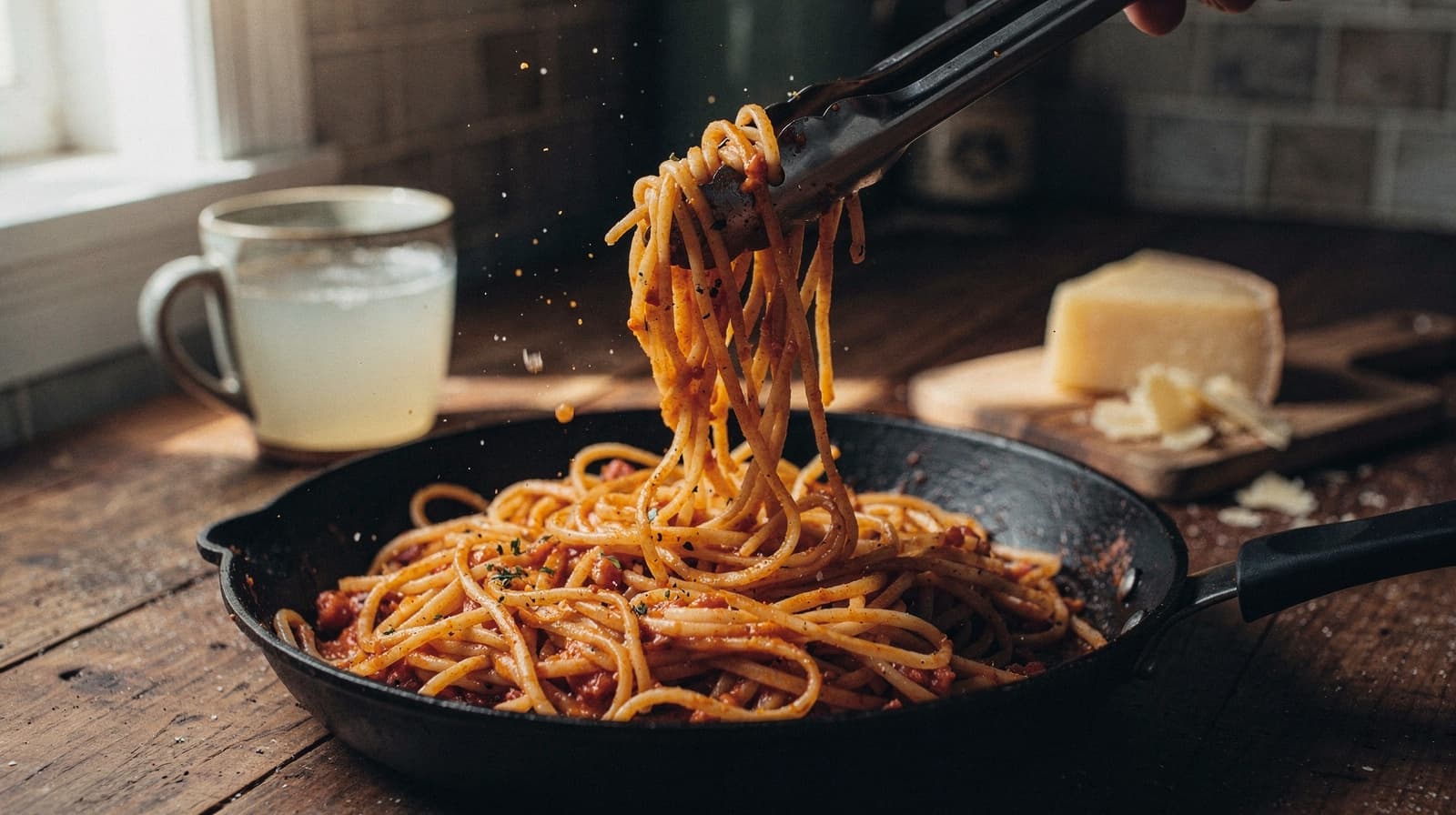
The fix costs 5 to 8 minutes. Brown the meat in a hot skillet first, in batches so it isn't crowded and steaming itself in the pan. Do the same with the onions and garlic: sautéed to translucent and slightly golden, they taste nothing like the raw versions people dump in. For chili, brown the beef, then deglaze the fond (the browned bits welded to the pan) with a splash of the broth you were about to add anyway. That fond is concentrated flavor most people wash down the drain.
The liquid math nobody explains
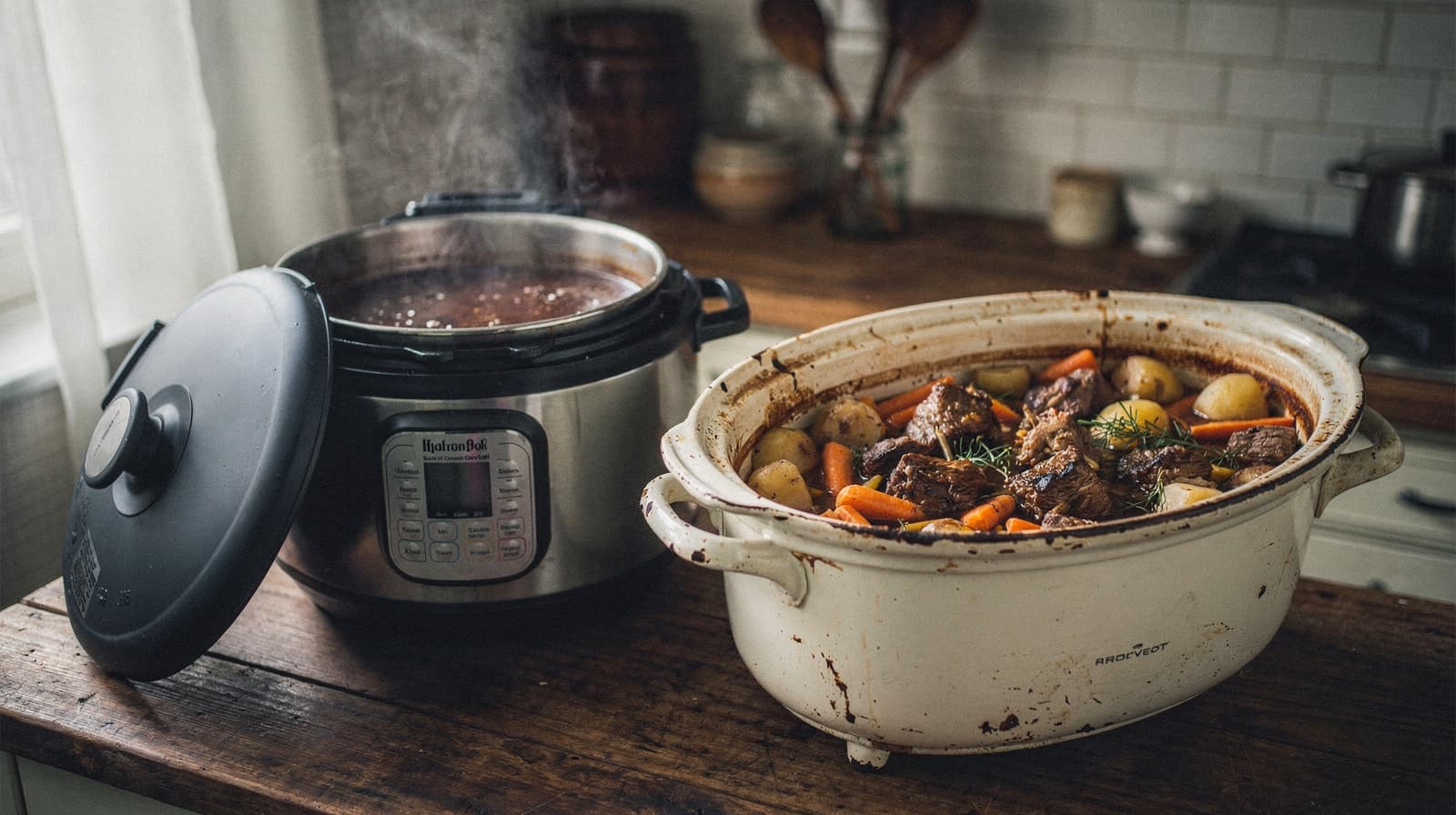
A slow cooker has a sealed lid and barely any evaporation. A stovetop pot loses liquid to steam the whole time it simmers, which is why recipes for a Dutch oven call for so much broth or wine. Follow that same ratio in a slow cooker and you'll end up with soup instead of a braise. If a stovetop version of a dish calls for 4 cups of liquid, you often need half that in a slow cooker, sometimes less, because almost none of it is going anywhere.
Meat and vegetables also give up their own liquid across 6 to 8 hours, which nobody accounts for. A chicken thigh braise with a can of tomatoes and a cup of broth looks dry at 8am and is swimming by noon. Start lower than feels right. Adding broth at the end takes thirty seconds; boiling a quart of it back off does not.
Dairy, herbs, and the last 30 minutes
Two ingredients get ruined more than any others in a slow cooker: dairy and fresh herbs.
Cream, milk, sour cream, and soft cheeses added at the start will curdle or break over a long cook, turning grainy and separated instead of silky. Stir them in during the last 15 to 30 minutes instead, after you've switched the cooker to warm or just before serving. A stroganoff or a creamy soup should get its dairy right before it hits the table, not at 7am.
Fresh herbs (basil, cilantro, parsley, dill) lose everything over a long cook, because the volatile oils that make them taste like anything are gone inside two hours. Tear or chop them in at the very end, the way you'd finish a soup on the stove. Dried herbs and whole spices run the other direction. Bay leaves, dried oregano, cumin, and cinnamon sticks need the hours to bloom, so those go in at the start.
Thickening at the end, not the beginning
Flour added at the start clumps and leaves a raw, pasty taste that never cooks out. The crock never gets hot enough to cook flour through the way a roux does in a pan.
Use a cornstarch slurry at the end instead. Mix 1 to 2 tablespoons of cornstarch with an equal amount of cold water, stir it in during the last 20 to 30 minutes, and bump the cooker to high. It thickens fast, comes out glossy rather than pasty, and you can add more a spoon at a time until the sauce coats a spoon. The same finishing move works on anything you're prepping ahead. Our freezer meal planning guide covers how sauces and braises hold up through a freeze and a reheat.
Dishes built for this format
Some dishes don't just tolerate the slow cooker, they're better for it.
Chili. Brown the beef and bloom the chili powder and cumin in the fat before anything else goes in. That 5-minute step separates chili that tastes assembled from chili that tastes cooked. Everything else about the dish already suits the machine: dried beans and tough beef want long low heat, and the herbs and dairy arrive on top at the table.
Pulled pork. A shoulder is packed with connective tissue that needs 8+ hours at low heat to turn to gelatin, and gelatin is the difference between tender and stringy. Sear it on all sides, then go light on liquid: a cup of broth, or a dry rub and nothing at all, since the pork throws off plenty of its own. Rest it 10 minutes off the heat before you shred.
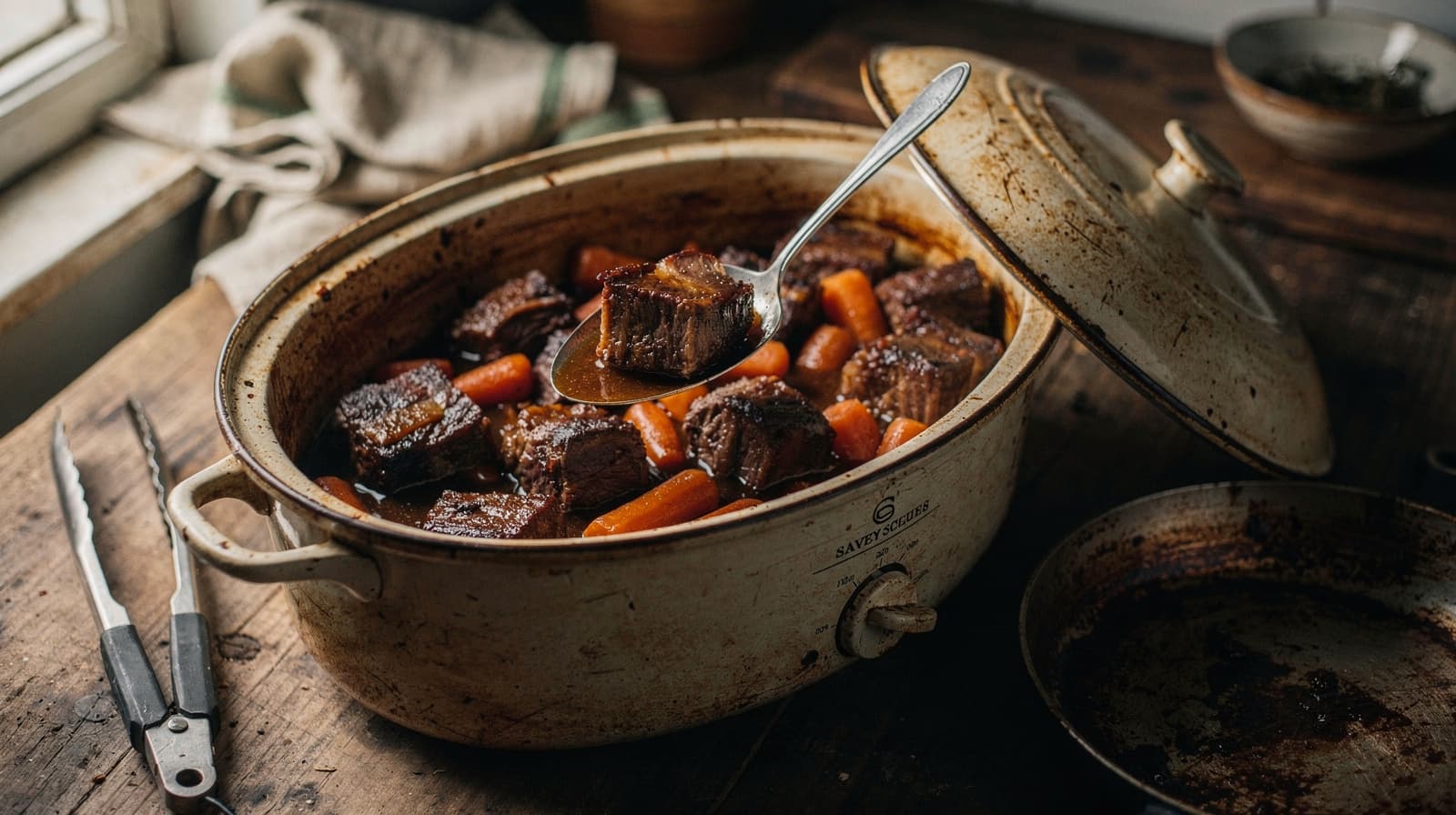
Braised short ribs or chicken thighs. This is the technique the appliance was built for. Sear the meat, sauté the aromatics, add liquid only partway up the meat rather than covering it, and finish with fresh herbs and a slurry if the sauce is thin. Rotate it against faster nights like the ones in our one-pan dinner ideas for busy weeknights so you aren't eating short rib five days running.
Building it into a real week
The slow cooker earns its keep on the nights you're not home to cook, not as a replacement for every dinner. Pair one slow cooker dish with a couple of faster stovetop nights and you get variety without extra effort; our soup season meal plan lays out one version of that rotation if you want a starting structure rather than building it from scratch.
If you're already saving recipes as you find them, RecipeClip's tags make it easy to mark which ones are slow cooker builds versus stovetop, so when you're planning the week you can pull up just the ones that fit a day you'll be out of the house.
Next time you pull out the crock: brown the meat first, cut the liquid by a third, and hold the herbs until the last half hour.