Freezer Meal Planning: How to Stock Your Freezer for Easy Dinners
A well-stocked freezer is the best insurance against the "nothing to eat" problem. Here's exactly how to plan, cook, and store freezer meals.
The freezer is the most underused tool in most kitchens. People use it for ice cream, frozen peas, and the occasional forgotten bag of ground beef — but not for what it's best at: making future-you's life significantly easier.

A stocked freezer means dinner is always possible, even on the worst nights.
What is freezer meal planning?
Freezer meal planning means cooking in advance specifically to build a freezer stockpile. If you're newer to planning meals ahead in general, start with our beginner's guide to meal planning first. You make double batches of recipes, store them properly, and pull them out on busy nights when cooking from scratch isn't happening.
The result: a 10-minute dinner from the freezer beats a 30-minute delivery wait and costs a fraction of takeout.
What freezes well (and what doesn't)
Not everything freezes. Understanding what works saves you from defrosting a disappointment.
Freezes excellently
- Soups and stews: the gold standard of freezer meals. Cool completely, store in portions, reheat directly from frozen or after overnight thaw.
- Chili: arguably gets better after freezing
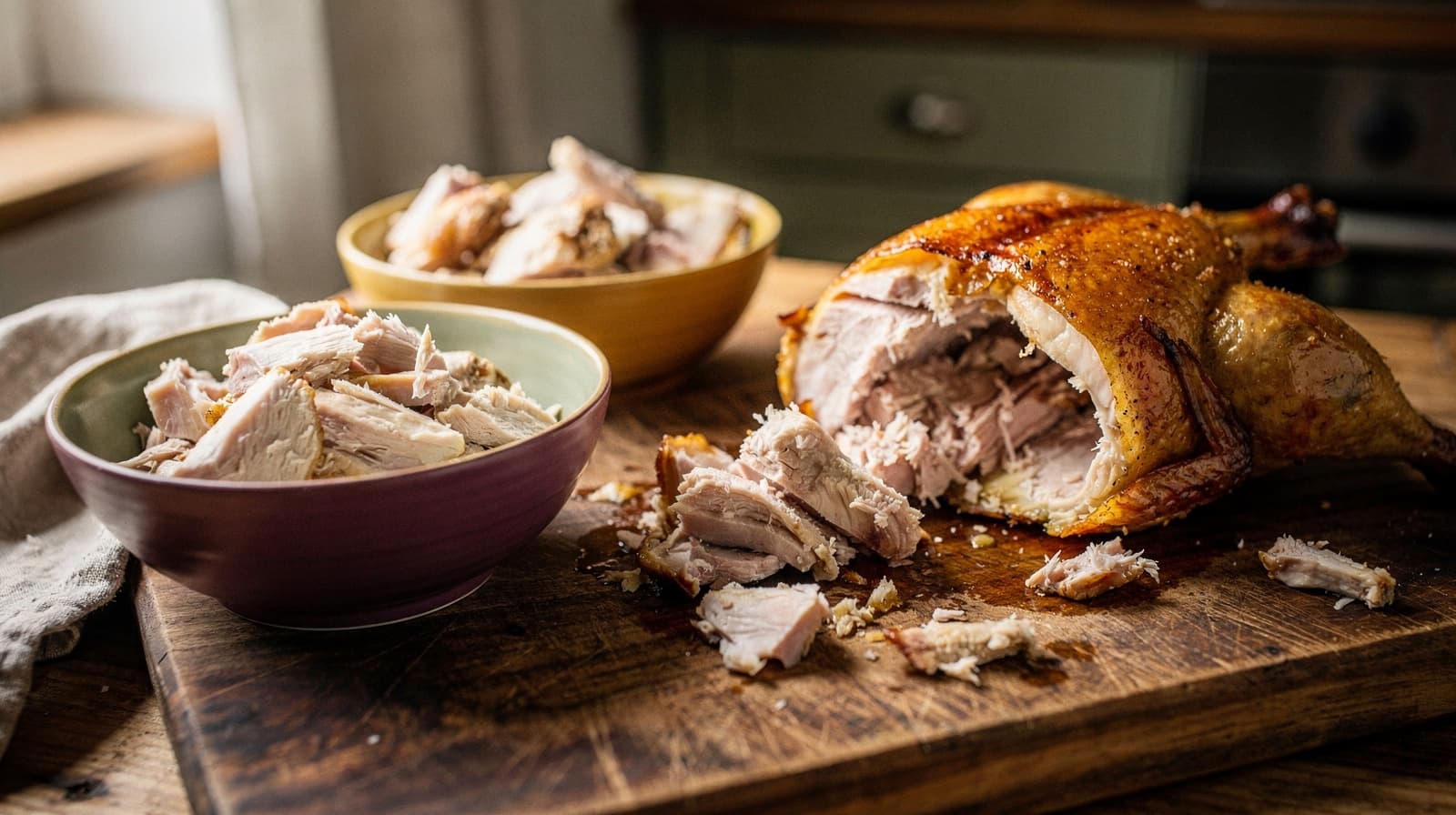
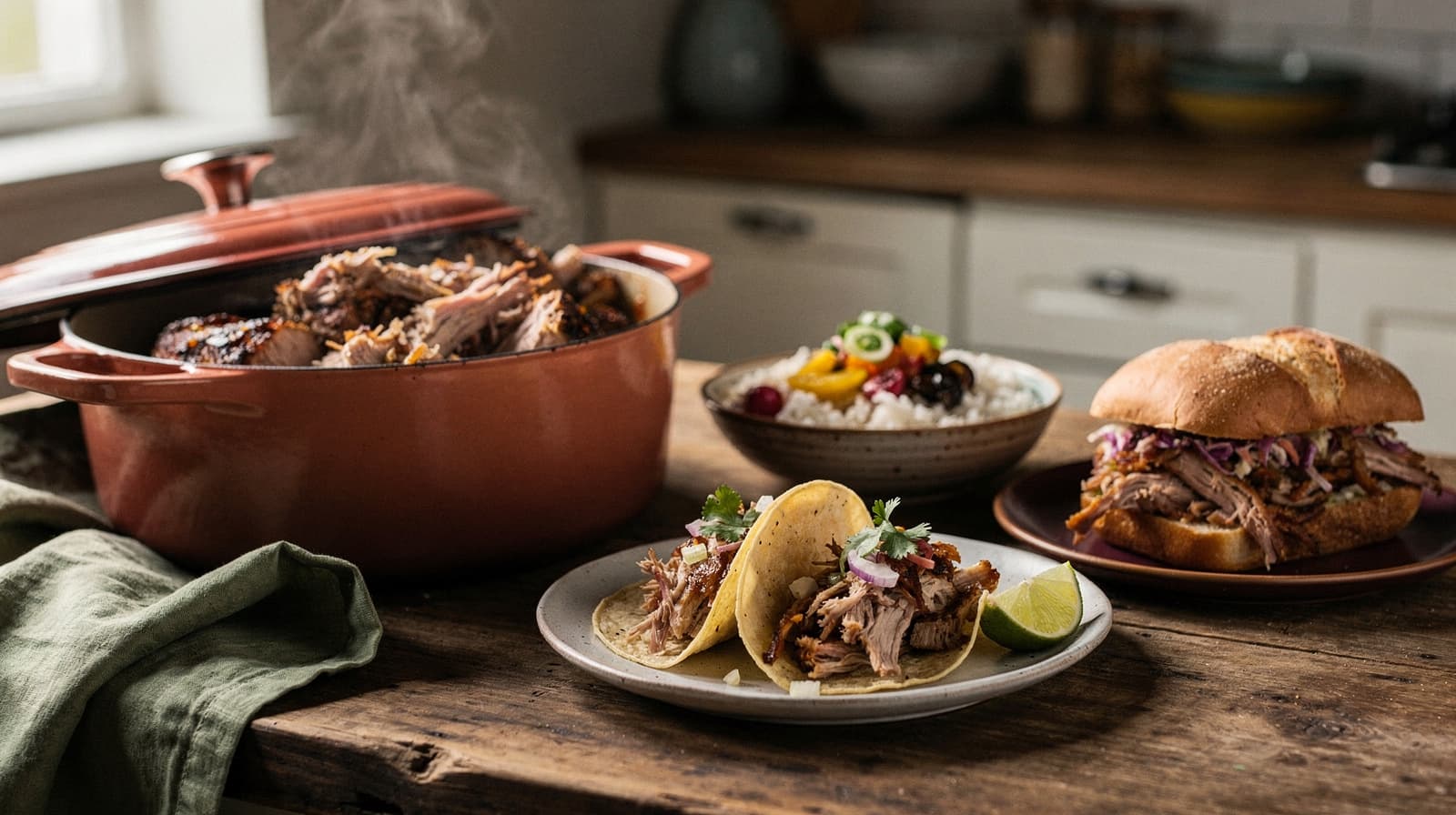
- Braises: pulled pork, beef short ribs, chicken thighs in sauce
- Meatballs: freeze on a baking sheet first, then bag
- Casseroles: lasagna, enchiladas, baked ziti (assemble but don't bake, freeze, bake from frozen with added time)
- Cooked beans and lentils: great for quick defrost
- Rice: freeze in portioned bags, microwave directly
- Baked goods: bread, muffins, cookies, pancakes
- Marinated raw meats: freeze in the marinade, thaw and cook
Freezes reasonably well (with some texture change)
- Pasta dishes: saucy pasta freezes fine; the pasta gets slightly softer after thawing
- Burgers and meatloaf: good but not perfect
- Curries: sauce freezes well; potatoes can get mushy
- Pizza: yes, homemade pizza freezes well (before or after baking)
Does not freeze well
- Dishes with cream or dairy sauce: the dairy separates on thawing (cream sauces, cheese sauces)
- Egg-based dishes: omelets, scrambled eggs, custards
- Cooked potatoes: they get grainy and waterlogged
- Salads and dressed greens: obvious
- High-water vegetables (cucumber, lettuce, raw zucchini)
Planning a freezer cooking day
Choose 3-5 recipes
Pick recipes that:
- Freeze well (see above)
- Use overlapping ingredients to simplify shopping
- Represent different protein sources for variety
Good starter set:
- Slow-cooker chicken tortilla soup (x2 portions)
- Beef and bean chili (x2 portions)
- Italian meatballs in marinara (x2 portions)
- Ground turkey rice casserole (x2 portions)
- Banana bread (for breakfasts)
Shop once, cook once
Write your grocery list to cover all recipes, consolidating where possible (if three recipes use garlic, buy enough for all three). Shop the day before your cooking day so ingredients are fresh.
Set up an assembly line
On cooking day, run everything in parallel:
- Slow cooker running with one batch
- Oven running with another
- Stovetop for the third
Prep all the vegetables at once (onion for all three recipes, chopped together). Brown all the ground meat at once. The efficiency gain is significant.
Cool before freezing (critical)
Hot food going directly into the freezer raises the freezer's internal temperature, which is bad for food safety and quality.
Rule: cool to room temperature, then refrigerate for 1-2 hours, then freeze.
Speed cooling by spreading into a wide shallow container (more surface area = faster cooling) and placing uncovered in the fridge.
Freezer storage: containers and labeling
Containers
Zip-lock bags: Excellent for liquids, soups, and things that conform to shapes. Lay flat to freeze (saves space dramatically). Use quart or gallon sizes.
Plastic containers: Good for casseroles and portioned meals. Use square containers that stack efficiently.
Aluminum foil pans: Great for casseroles you'll bake directly from frozen. Disposable means easy cleanup.
Vacuum sealer bags: Best for long-term storage (3-6 months instead of 2-3). If you cook large batches regularly, a vacuum sealer pays for itself.
Labeling (non-negotiable)
Label every item before it goes into the freezer. Include:
- What it is: "Chicken Tortilla Soup"
- Date frozen: "March 7, 2026"
- Reheating instructions: "Thaw overnight, reheat on stovetop" or "Oven from frozen: 375°F 45 min"
- Serving size: "Serves 4"
Frozen food without labels becomes "mystery block" in 6 weeks.
Freezer organization
Keep a running list (a notepad on the freezer door, or an app) of what's in your freezer. It's the only way to actually use what you have instead of buying more.
Categories to track: protein, soups/stews, casseroles, sides, breakfast, baked goods.
How long does it keep?
General guidelines for quality (not safety — frozen food is technically safe indefinitely, but quality degrades):
| Item | Quality Up To |
|---|---|
| Soups, stews, chili | 3-4 months |
| Casseroles (cooked) | 2-3 months |
| Raw marinated meat | 3-4 months |
| Cooked rice | 1-2 months |
| Meatballs (in sauce) | 3 months |
| Cooked beans | 3-4 months |
| Baked goods (bread, muffins) | 3 months |
First in, first out applies here too. When you add new items, move older ones to the front.
Thawing and reheating
Overnight thaw (preferred)
Move the frozen meal from freezer to fridge the night before. By dinner time, it's fully thawed and easy to reheat.
Cold water thaw (faster)
Sealed in a zip-lock bag, submerged in cold water, changing water every 30 minutes. A quart-sized portion thaws in 1-2 hours.
Microwave thaw (quickest)
Works but can cause uneven heating. Best for soups and rice-based dishes where texture is forgiving.
Never: counter thaw
Leaving meat to thaw at room temperature is a food safety risk. The exterior warms to unsafe temperatures while the interior is still frozen.
Reheating
Soups: stovetop over medium heat, stirring occasionally until fully hot (165°F internal).
Casseroles from frozen: oven at 350°F, covered with foil for the first half of cooking (to prevent drying), uncovered for the last 20 min to brown the top.
Rice and grains: add a splash of water and microwave in 2-minute increments, stirring between each.
The minimal freezer stockpile
You don't need 40 freezer meals. You need enough to cover:
- 2-3 "emergency dinners" (nights when cooking isn't happening)
- 2-3 quick lunch options
- 1 batch of baked goods for breakfasts
That's 6-8 items. Manageable. Rotate them out regularly and your freezer stays functional, not overwhelming.
Integrating freezer meals with recipe planning
The easiest way to build a freezer stockpile is to cook double batches of your regular dinners. Make double the chili, eat half tonight, freeze half. Pair this with a weekly meal prep routine to make the most of your Sunday cooking session.
Over 2 months of this habit, your freezer fills up naturally without a dedicated freezer cooking day.
In RecipeClip, you can tag recipes as "Freezer Friendly" and scale servings to 2x automatically, so your ingredient list already accounts for the double batch.
Double the chili on Sunday, freeze half. Do that four weekends running and you have a month of emergency dinners. Start free.