How to Adapt Recipes for Dietary Restrictions (Without Ruining the Dish)
Learn how to adapt any recipe for gluten-free, dairy-free, vegan, keto, and other dietary needs, with practical swaps that taste good.
You found the perfect recipe. It looks incredible, has hundreds of five-star reviews, and you can almost taste it already. Then you read the ingredient list, and half of it doesn't work for your diet.
Whether you're cooking gluten-free, dairy-free, vegan, keto, or managing a food allergy, adapting recipes is a skill every home cook eventually needs. The good news: most recipes are far more flexible than they look. You just need to know which swaps work, and which ones will turn your dinner into a science experiment gone wrong.
Here's a practical, no-fluff guide to adapting recipes for the most common dietary restrictions.
Start with the role, not the ingredient
Before you swap anything, ask yourself: what is this ingredient actually doing?
Eggs in a cake are providing structure, moisture, and leavening. Butter in a sauce is adding fat and richness. Flour in a coating is creating crunch and binding.
Once you understand the role, you can find a substitute that fills the same role. This is the difference between a successful adaptation and a flat, dense, tasteless disappointment.
If you're new to this kind of thinking, our guide on recipe substitutions covers the fundamentals of swapping ingredients based on function.
Gluten-free adaptations
Gluten-free cooking has come a long way. You're no longer stuck with dense, crumbly alternatives that taste like cardboard.
Baking
- 1:1 gluten-free flour blends (like Bob's Red Mill or King Arthur Measure for Measure) work in most recipes without any other changes. Start here.
- Almond flour works for cookies, pancakes, and quick breads. Expect a denser, moister result.
- Oat flour (certified GF) is great for muffins and simple cakes. Mild flavor, easy to work with.
- Add 1/4 teaspoon xanthan gum per cup of flour if your blend doesn't include it. That replaces the binding gluten provides.
Cooking
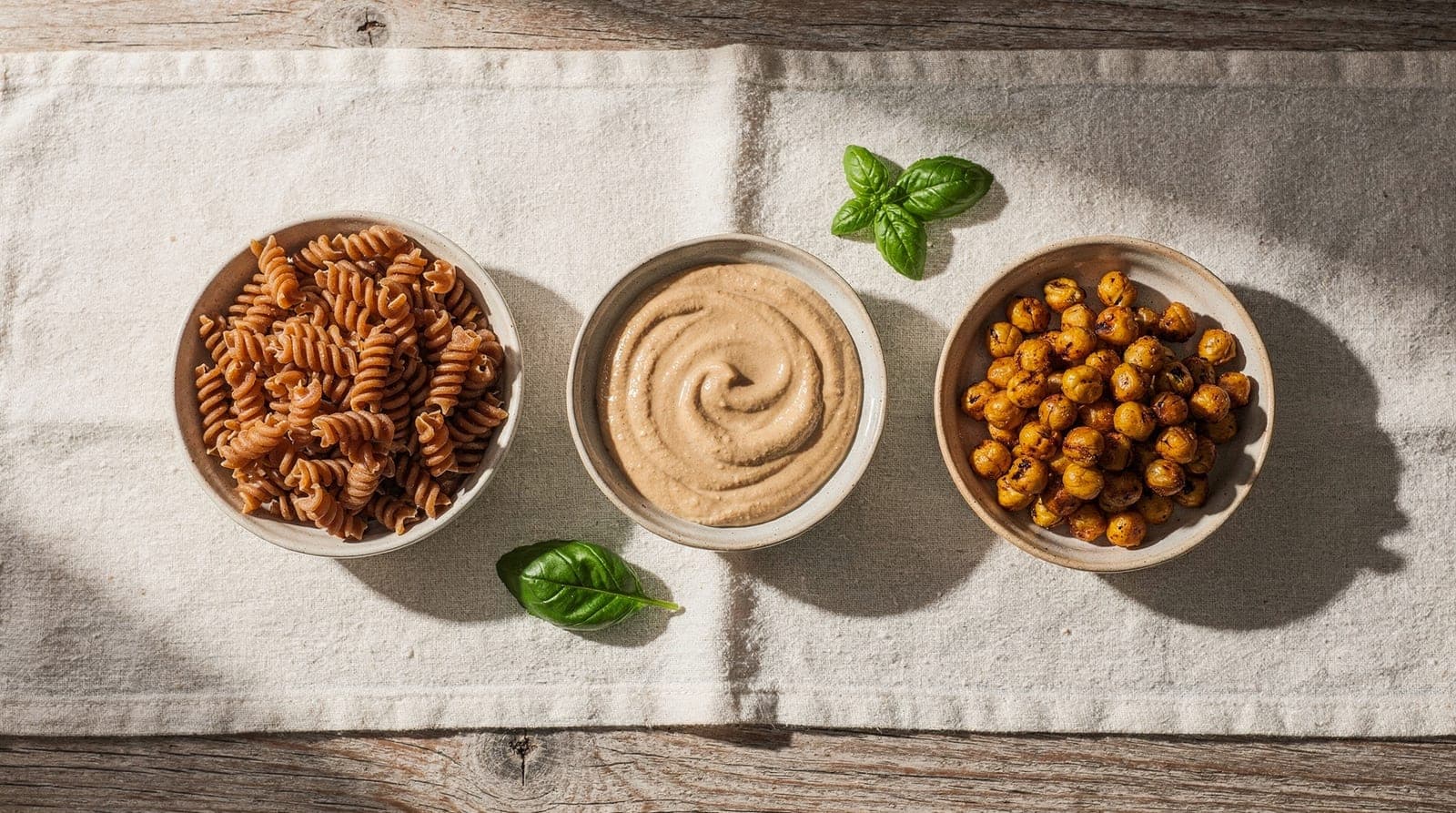
- Pasta: Use rice noodles, chickpea pasta, or lentil pasta. Cook 1-2 minutes less than the package says — GF pasta goes from perfect to mush fast.
- Thickening sauces: Swap flour-based roux for cornstarch slurry (1 tablespoon cornstarch + 1 tablespoon cold water per cup of liquid). Or use arrowroot powder for a glossier finish.
- Breadcrumbs: Crushed rice crackers, almond meal, or GF panko all work. Season them well. That's where the flavor comes from.
Dairy-free adaptations
Dairy shows up everywhere: butter, milk, cream, cheese. Each one needs a different approach.
Milk and cream
- Oat milk is the best all-purpose dairy milk substitute. It's creamy, neutral, and behaves well in both sweet and savory recipes.
- Full-fat coconut milk replaces heavy cream in soups, curries, and desserts. It adds richness without a strong coconut flavor when cooked.
- Cashew cream (soaked cashews blended with water) makes a surprisingly convincing cream sauce base.
Butter
- Vegan butter (like Miyoko's or Earth Balance) works 1:1 in baking and cooking.
- Coconut oil works in baking — use refined coconut oil if you don't want coconut flavor.
- Olive oil can replace butter in savory recipes at a 3:4 ratio (3/4 cup oil per 1 cup butter).
Cheese
This is the hardest dairy swap. Honest truth: most store-bought vegan cheeses don't melt or taste like the real thing. Instead of trying to replicate cheese, consider:
- Nutritional yeast for a cheesy, umami flavor in sauces and pastas
- Cashew-based sauces for mac and cheese or cream sauces
- Just skip it — many dishes are better without a mediocre cheese substitute than with one
Vegan adaptations
Going fully plant-based means replacing both dairy and eggs, plus rethinking protein sources.
Egg replacements
The right substitute depends on what the egg is doing:
| Egg Role | Best Substitute |
|---|---|
| Binding (burgers, meatballs) | 1 tablespoon ground flax + 3 tablespoons water |
| Leavening (cakes, muffins) | 1/4 cup unsweetened applesauce or mashed banana |
| Moisture (brownies, quick breads) | 1/4 cup silken tofu, blended |
| Richness (custards, quiche) | Silken tofu + black salt (kala namak) for eggy flavor |
Protein swaps
- Tofu absorbs whatever flavor you throw at it. Press it, marinate it, and cook it hot.
- Chickpeas and lentils replace ground meat in tacos, pasta sauces, and curries.
- Tempeh crumbles well and has a nutty flavor that works in stir-fries and grain bowls.
Keto and low-carb adaptations
Keto means slashing carbs while keeping fat high. The main targets: flour, sugar, and starchy vegetables.
Flour replacements
- Almond flour is the go-to for keto baking. Works for cookies, muffins, and coatings.
- Coconut flour is extremely absorbent — use 1/3 the amount of regular flour and add extra eggs.
- Psyllium husk powder adds structure to keto breads and rolls.
Sugar replacements
- Erythritol or allulose work in most baking recipes at a 1:1 ratio. Allulose browns and caramelizes better.
- Monk fruit sweetener blends are another solid option. Start with 3/4 the amount of sugar called for and adjust.
Starch swaps
- Cauliflower rice replaces regular rice in stir-fries and burrito bowls.
- Zucchini noodles replace pasta (salt and drain them first to avoid a watery plate).
- Mashed cauliflower stands in for mashed potatoes with butter and cream added.
Allergy-friendly: nut-free and soy-free
Nut-free
- Sunflower seed butter replaces peanut or almond butter in sauces and baking.
- Coconut flour replaces almond flour (remember: use much less, add more liquid).
- Seed-based milks (hemp, oat) replace almond milk.
Soy-free
- Coconut aminos replace soy sauce with a slightly sweeter flavor. Use the same amount.
- Chickpea miso exists and works in dressings and marinades.
- Sunflower-based tofu is emerging as a soy-free alternative in some markets.
Tips that apply to every adaptation
1. Change one thing at a time. If you swap three ingredients at once and the dish doesn't work, you won't know which swap was the problem.
2. Season more aggressively. Many substitutes are blander than the originals. Extra salt, acid (lemon juice, vinegar), and aromatics (garlic, herbs) compensate for this.
3. Expect a learning curve. Your first gluten-free cake might be dense. Your first vegan quiche might be watery. That's normal. Take notes, adjust, and try again.
4. Keep a substitution reference handy. Save your go-to swaps somewhere accessible so you're not Googling the same thing every Tuesday night. An app like RecipeClip lets you save adapted recipes alongside the originals, so you always have your tested versions ready.
5. Read the whole recipe first. Before you start adapting, read the recipe end to end. Sometimes an ingredient appears in multiple steps with different functions, and you might need different subs for each.
For more on that skill, check out our post on how to read a recipe like a chef. It'll change how you approach cooking in general.
Build your own adapted recipe collection
The real power move is building a personal library of recipes you've already adapted and tested. Every time you successfully modify a recipe, save it.
With RecipeClip, you can clip any recipe from the web, make your modifications, and keep the adapted version in your library. No more re-inventing the wheel every time you want to make that dairy-free pasta sauce.
Over time, you'll have a collection of recipes that are already tailored to your dietary needs — ready to go whenever you need them.