Indian Home Cooking Is Not One Cuisine. Start With One Region
Punjabi, Bengali, Tamil, Gujarati and Keralan cooking use different fats, spices and staples entirely. Pick one region and go deep instead of wide.
A Punjabi kitchen runs on wheat, dairy and mustard oil. A Tamil kitchen runs on rice, tamarind and coconut. A recipe labeled "Indian curry" that tries to average those two ends up tasting like neither, and it's a big part of why home cooks who want to learn get stuck. The country has 28 states and a food culture that changes at every border, sometimes every district. Treating it as one cuisine with one spice drawer is the mistake, not the fix.
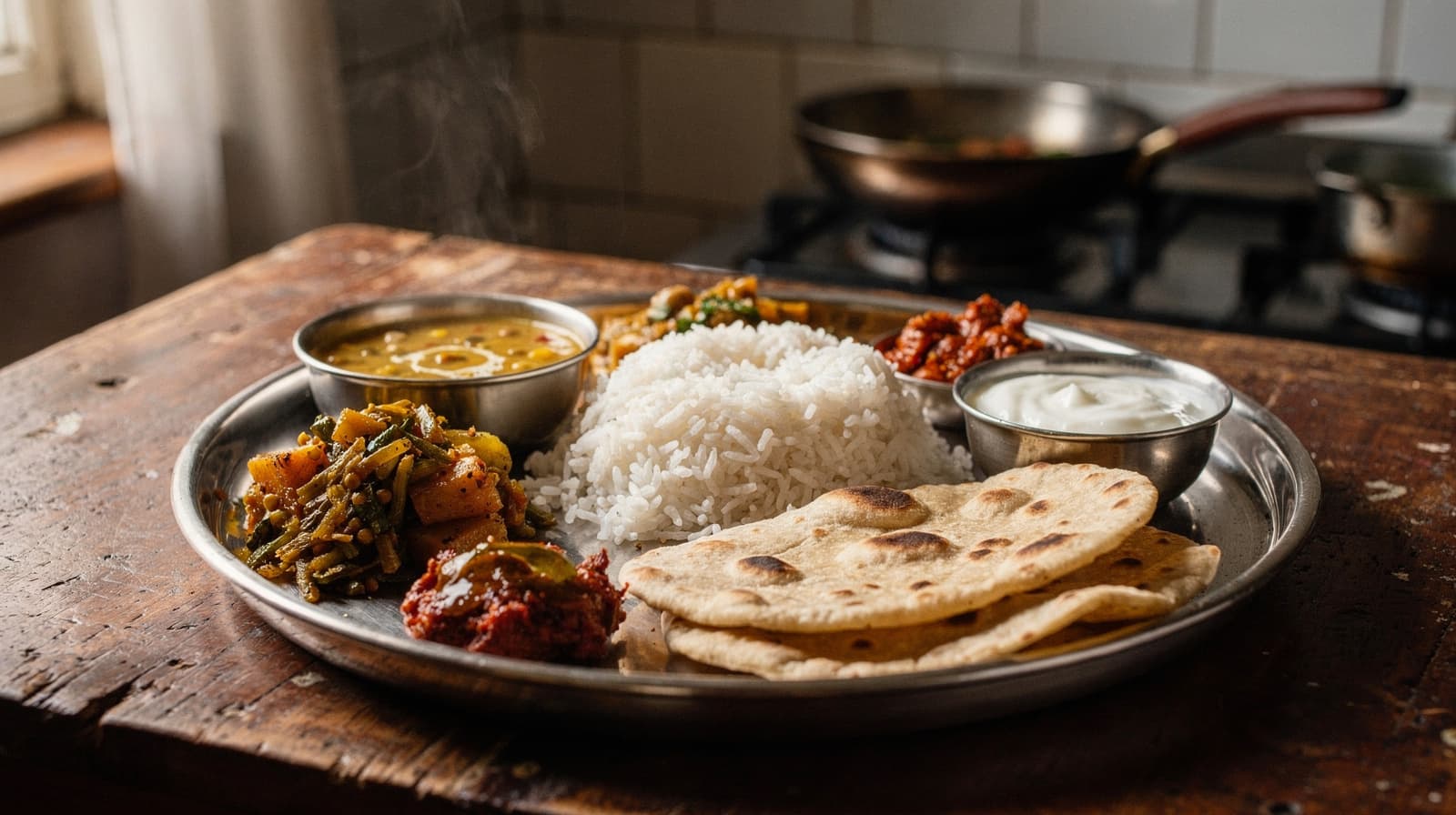
The fix is smaller: pick one region, learn its five or six staple dishes, and let the pattern teach you the rest.
Why "curry" isn't a useful starting category
The word covers everything from a Kerala fish moilee, coconut-milk based and bright with curry leaves, to a Punjabi rajma, kidney beans simmered in a tomato-onion-ginger base that has more in common with a stew. Lumping them together means you buy a mess of overlapping spices, most of which sit unused, and you never learn which combination belongs to which food.
Regional cooking is organized differently. Each region has a base masala, a preferred fat, a starch, and a small set of techniques that repeat across dozens of dishes. Learn the base and the rest of the region opens up fast. Learn "curry powder" and you've learned a blend that almost no Indian home kitchen keeps in the cupboard.
Punjabi: dairy, wheat, and a slow-built masala
Punjabi home cooking (north India, Punjab region) leans on wheat rotis over rice, generous dairy (ghee, paneer, yogurt), and a base masala built from onion, ginger, garlic, and tomato cooked down for 15 or 20 minutes, until the fat separates out and pools at the edge of the pan. Pull it off early and the dish tastes raw and tinny no matter what you add later. That base underlies dal makhani, chana masala, and butter chicken's home version, which is much less sweet than the restaurant one.
Start with rajma-chawal (kidney beans in tomato masala over rice) or a simple dal tadka. Simmer yellow lentils plain, then heat a tablespoon of ghee with a teaspoon of cumin seeds and a few sliced garlic cloves until the cumin darkens, roughly 30 seconds, and pour the whole thing over the pot. That tempering trick, spices bloomed in hot fat and added last, shows up across the whole region.
Bengali: mustard oil and a five-spice blend
Bengali cooking (eastern India, West Bengal) is built on mustard oil's sharp bite and panch phoron, a five-spice blend of fenugreek, nigella, cumin, black mustard, and fennel seeds, usually tempered whole rather than ground. Fish and rice are the backbone; a coastal delta region eats accordingly.
Heat the mustard oil until it smokes, then let it cool for a few seconds before the spices go in. Skip that and it stays acrid.
Chorchori, a dry-cooked mixed vegetable dish tempered with panch phoron, is the easiest way in. Aloo posto, potatoes cooked in a poppy seed paste, is the next. Neither needs more than six spices, and both teach you how the region uses whole seeds instead of ground blends.
Tamil: rice, tamarind, and a coconut-and-lentil pantry
Tamil cooking (southern India, Tamil Nadu) runs on rice in nearly every form: steamed, fermented into idli and dosa batter, or cooked into a thin, tamarind-and-lentil soup called rasam. Coconut, curry leaves, mustard seeds, and urad dal (split black lentils) show up constantly as both flavoring and thickener.
Learn sambar first, a lentil and vegetable stew soured with a walnut-sized ball of tamarind pulp and thickened with toor dal. Rasam is the same base run thinner, so the second dish costs you almost no new shopping. The mustard seeds go into hot oil first and you wait for them to pop, maybe 20 seconds, before anything else joins them; that order holds across the whole south.
Gujarati: sweet-sour balance and a wheat-and-lentil table
Gujarati cooking (western India, Gujarat) is largely vegetarian and known for balancing sweet, sour, and spicy in the same dish, often with a pinch of jaggery or sugar cutting through chili and lemon. Dhokla (steamed, fermented chickpea flour cakes) and undhiyu (a mixed vegetable dish, traditionally winter-only) are regional signatures, but a simpler starting point is kadhi, a yogurt-and-gram-flour soup tempered with mustard seeds and curry leaves, served over rice or with khichdi.
The sweet-sour instinct is the thing to internalize here. It shows up even in dal, where a Gujarati cook drops a teaspoon of jaggery into the pot and a Punjabi cook never would.
Keralan: coconut, curry leaves, and a coastal spice rack
Kerala (southwestern coast) cooks with coconut in nearly every form, grated, as milk, as oil, alongside curry leaves and a heavier hand with black pepper than most other regions, a legacy of the spice trade the coast has run for centuries. Fish and seafood dishes are common near the coast; inland, vegetable stews called avial (mixed vegetables in a coconut-yogurt sauce) are a staple.
Try a Kerala fish moilee, poached in coconut milk with ginger, green chili, and curry leaves for eight minutes at a bare simmer. Let it boil and the coconut milk splits into grease and grit, which no amount of stirring fixes. A thoran, shredded vegetables sautéed with grated coconut and mustard seeds, is more forgiving and takes about 15 minutes. Neither resembles Punjabi or Tamil cooking in flavor or method.
What to actually buy
Once you've picked a region, buy for it specifically rather than assembling a generic "Indian pantry." Three shopping lists, three regions:
- Punjabi: ghee, garam masala, good tinned tomatoes.
- Tamil: tamarind, toor dal, curry leaves (fresh if you can find them; frozen holds up fine, and frozen vegetables are fine for most cooking anyway).
- Keralan: coconut oil and, again, curry leaves.
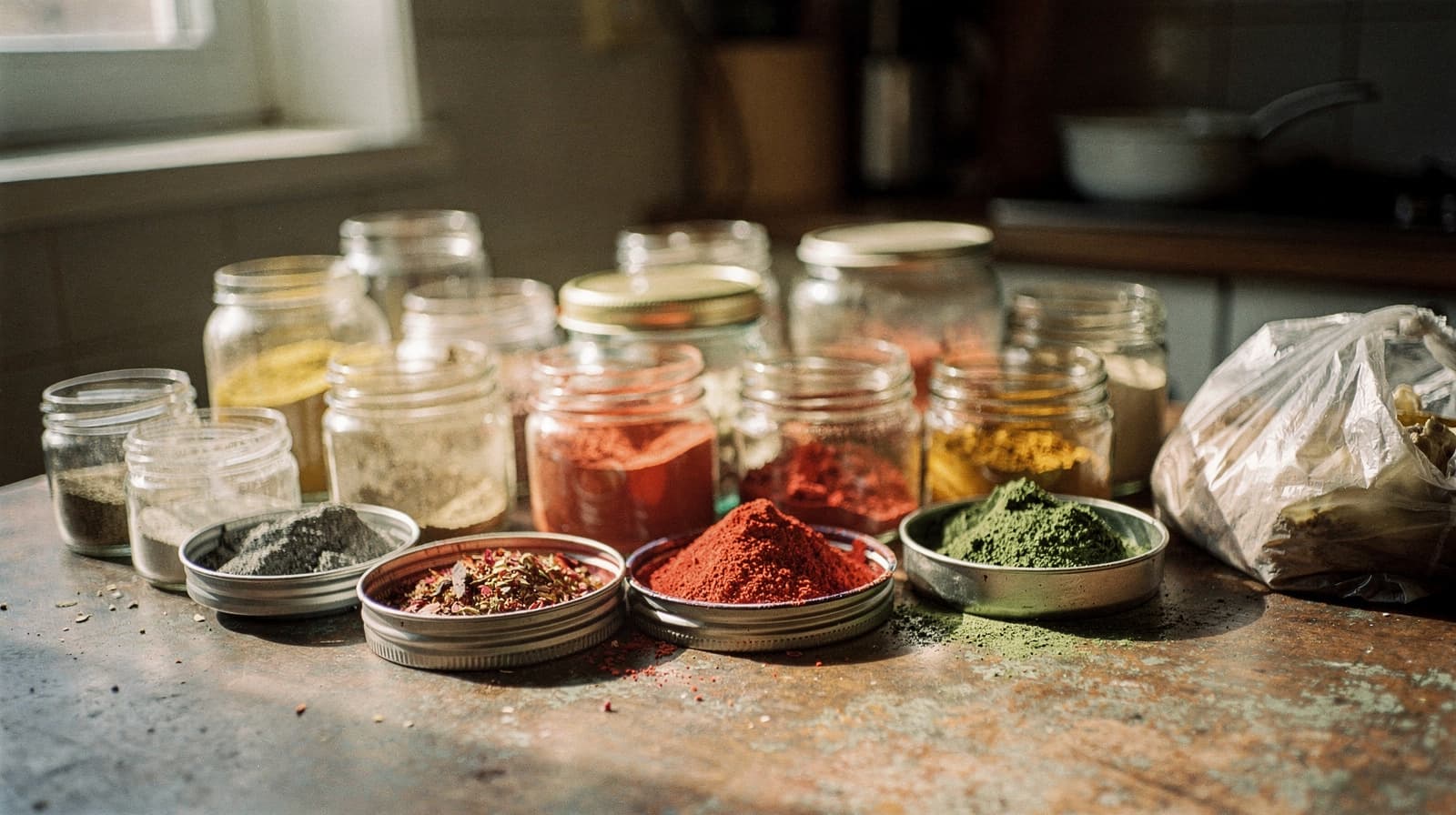
That is six or seven items, most under five dollars, and you will use every one of them in the first month. Buy broad instead and you end up with fourteen jars, eleven of them opened once and stale within a year, because ground spices lose most of their aroma inside six months.
Save recipes as you find them, since regional cooking is scattered across blogs, YouTube channels, and family sources rather than one cookbook. RecipeClip can pull a recipe in from a link or a video and keep it tagged by region, so your Tamil folder and your Punjabi folder don't blur together six months in. If you're working from a family member's handwritten notes on top of the internet recipes, saving handwritten family recipe cards before they fade is worth doing in parallel.
Go deep before you go wide
None of this is a claim to expertise beyond what's written here; each of these regions supports entire cookbooks and lifetimes of practice that a short list of starter dishes can't capture. The point is narrower. Five or six dishes from one region, cooked four or five times each, will teach you more about how Indian home cooking actually works than twenty dishes from five regions cooked once. Pick the region, buy the six items, and cook the base masala until you stop measuring it.