Reading a Nutrition Label When You're the One Cooking
Nutrition labels are written for packaged food, not home cooking. Here's how to read them when you're combining ingredients into a meal.
You're standing in the pasta sauce aisle comparing two jars. One says 70 calories per serving, the other says 90. The 70-calorie jar has almost double the sodium and lists sugar as the third ingredient. Most people take the smaller number on the front and never check why it's smaller.
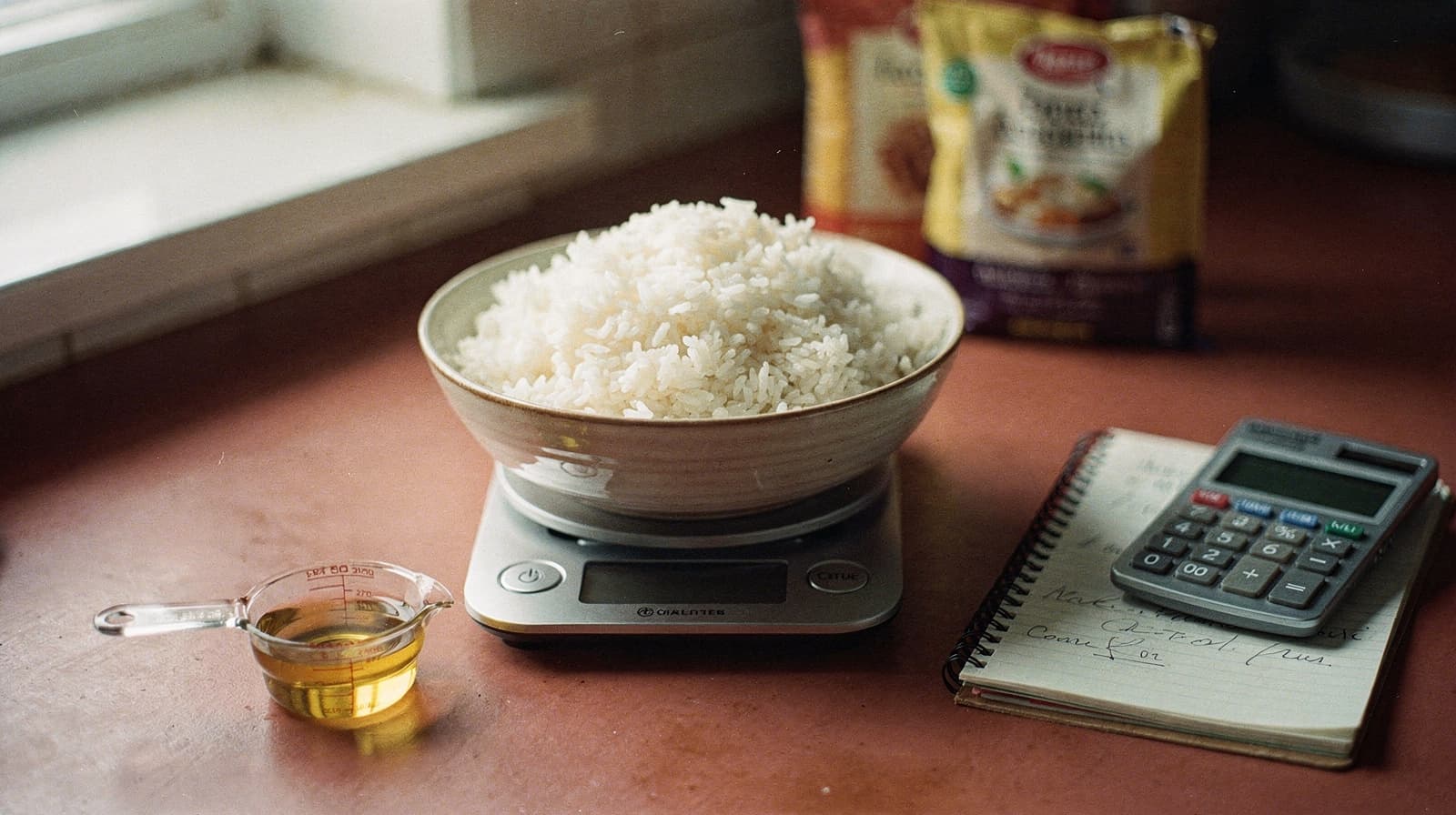
Nutrition labels were built for a world where you eat what's in the package. Home cooking doesn't work that way. You're combining a jar of sauce with pasta, olive oil, parmesan, and maybe some sausage, and none of the individual labels tell you what the finished plate adds up to. Here's how to read them when you're the one assembling the meal.
Serving size is the number that lies
Every other number on the label is calculated from the serving size, so if the serving size is wrong for how you eat, everything under it is wrong too. A can of soup listing "2.5 servings" is banking on you eating a cup and stopping at a cup. Nobody does.
Check the serving size before you look at calories. A jar of pasta sauce with a 1/2-cup serving and 8 servings per jar holds 4 cups, roughly what covers a pound of pasta for four people. Cook that jar for two and you're eating a full cup each, which doubles every number on the label. Do the math before you compare two products, not after.
Sodium adds up faster in cooking than in packages
A single ingredient's sodium number looks manageable. A home-cooked dinner stacks four or five of them: the jarred sauce, the canned beans, the shredded cheese, the seasoning blend, and whatever salt you add while cooking.
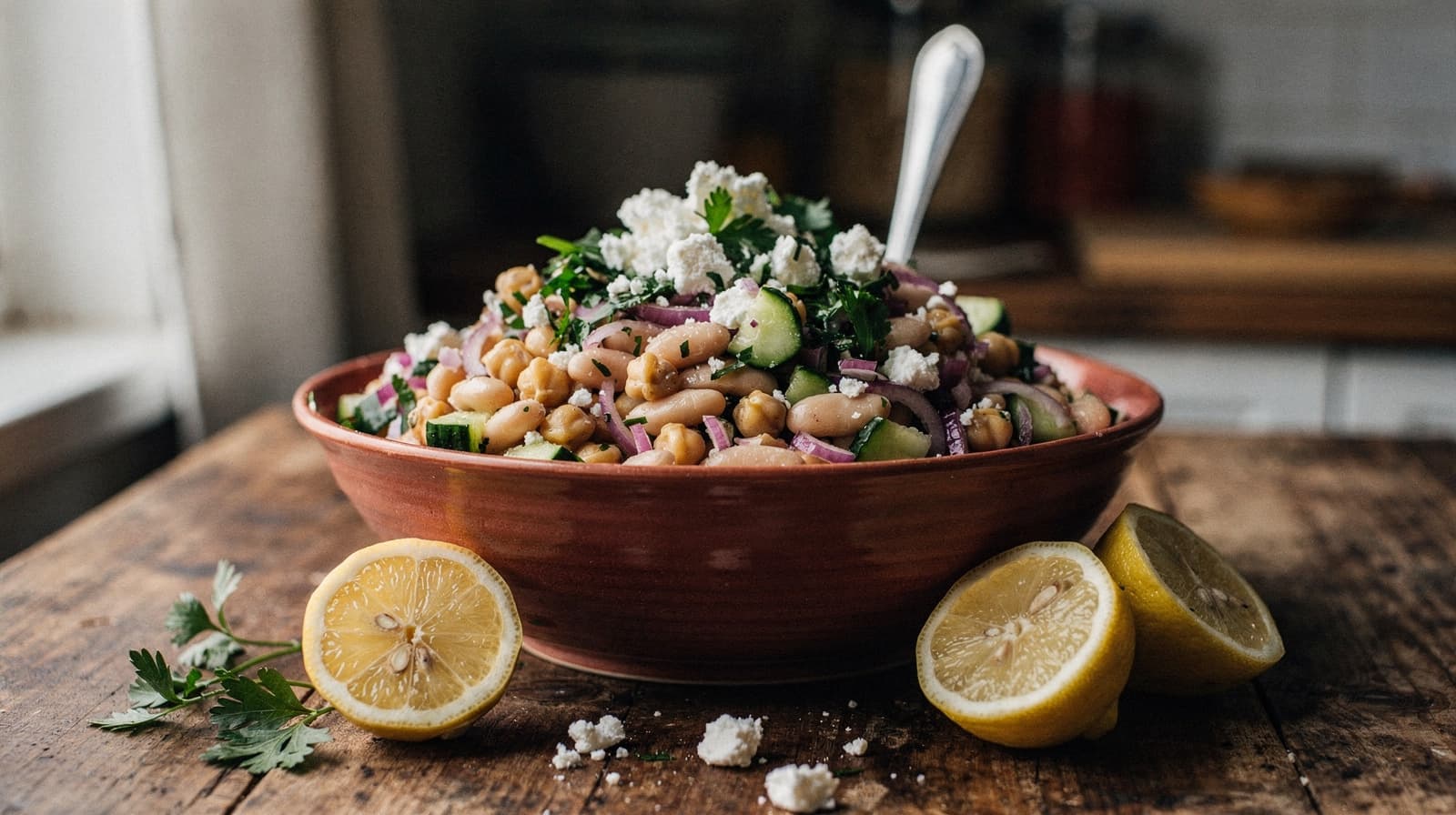
Canned beans without a "low sodium" label run 350-400mg per half-cup serving, and a can holds about three servings. Rinse them under running water for 15 seconds and you cut that by roughly 40%, which costs you nothing but the 15 seconds. Broth is the other sneaky one. A cup of regular chicken broth carries 800-900mg of sodium, more than a small bag of potato chips, and most soup recipes call for two to four cups.
You don't have to avoid any of it. Pick one or two places in a recipe to control salt (usually the broth and the canned goods) and leave the rest to taste. Policing every ingredient at once is how people give up on this by Wednesday.
Protein per dollar, not just protein per label
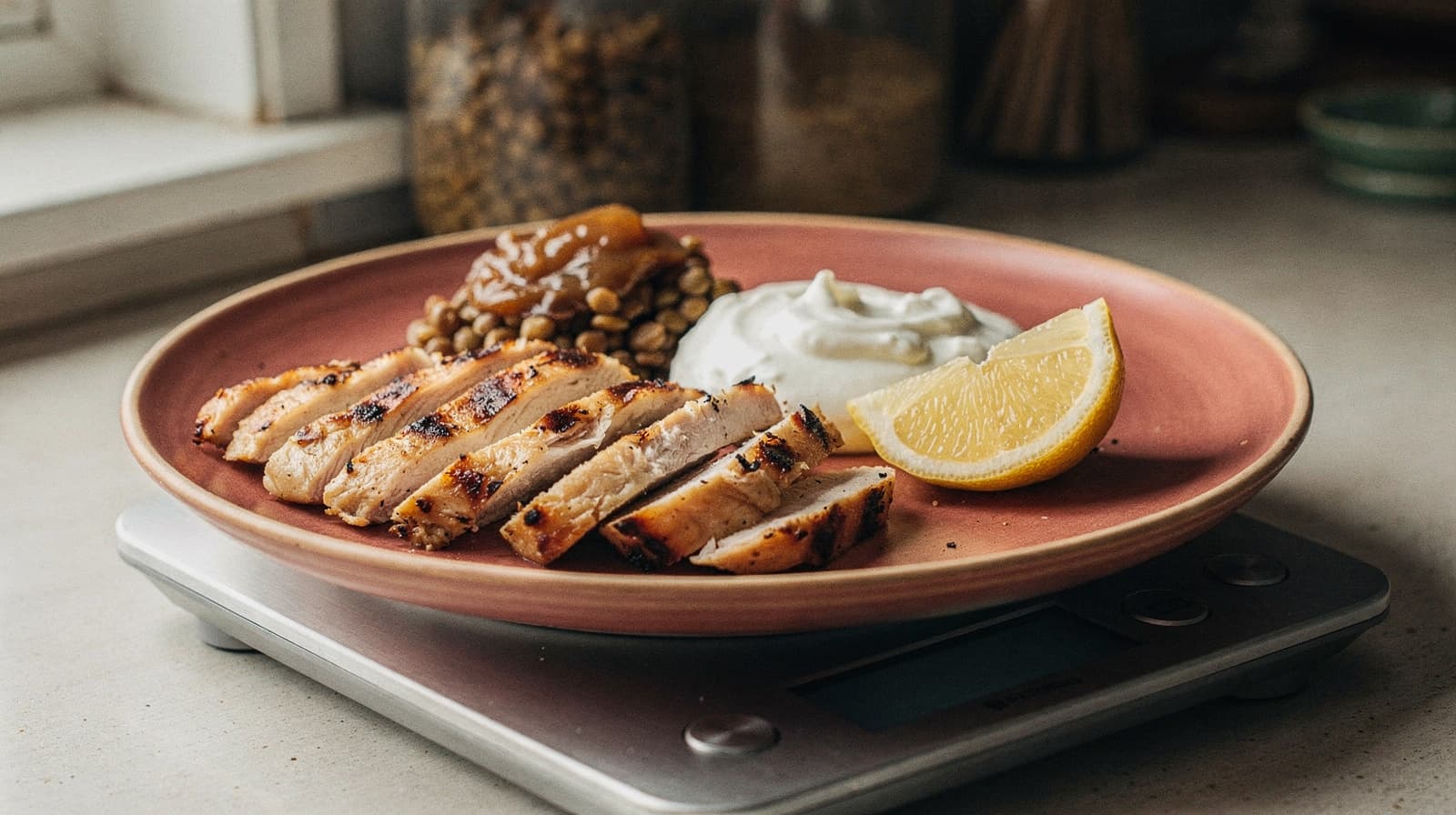
If you're trying to eat more protein, the cut matters more than the label. Chicken breast runs about 31g of protein per 4-ounce serving; thighs run about 26g at the same weight, but thighs are usually $2.99/lb against $5.49/lb for breasts. Per dollar, the thigh wins by a wide margin. Ground turkey (93/7) and canned chickpeas land in the same range, which is why they're the sensible default when protein is the goal and the grocery bill is the constraint.
Tracking this across a week of meals rather than one label at a time is a different job. Our guide on high-protein meal prep covers how to batch proteins so you're not doing this math every night.
Added sugar hides in places that don't taste sweet
The ingredients most likely to surprise you on added sugar aren't dessert-adjacent. Barbecue sauce can run 13g of sugar per two-tablespoon serving, which is more than a chocolate chip cookie. Ketchup, teriyaki sauce, flavored yogurt, and most bottled salad dressings are the same story: savory or tangy flavor covering a sugar load you'd never guess by taste.
Read the "added sugars" line, not "total sugars," since fruit and dairy contribute natural sugar that the label already separates out. Then compare two brands of the same product on the shelf: sugar in barbecue sauce, teriyaki and marinara swings 2-3x between brands, and the cheaper jar is often the sweeter one. Sugar in the first three ingredients of a savory sauce tells you more than the calorie count does.
What changes when you cook the ingredient yourself
A packaged label assumes the food arrives at your plate exactly as manufactured. Cooking changes that. Brown a pound of 80/20 ground beef and pour off the fat and you leave a couple of tablespoons of it in the pan, along with a chunk of the calories the package counted. A tablespoon of oil tossed over a sheet pan of broccoli doesn't all end up in the broccoli either; a fair amount browns onto the pan.
Portion after cooking, not before. If a recipe serves four and you're one of the four, divide the finished dish and count backward from your share instead of tracking every raw ingredient's label on the way in.
Where this fits into dinner
None of this is about avoiding foods that miss certain numbers. It's about knowing which one or two swaps in a recipe change the outcome (rinsing beans, choosing broth, watching the sauce) so you're not re-reading every label every time you cook.
If nutrition numbers per recipe matter to you regularly, RecipeClip calculates them automatically from the ingredient list on any recipe you save, so you can see a rough calorie and macro breakdown per serving without doing the arithmetic by hand. It's built into the recipe page, not a separate tracker you have to update.
For a broader approach to eating a certain way rather than tracking individual meals, our Mediterranean diet meal plan walks through building a week around ingredients that don't need much label-reading in the first place.
Next time you're holding two jars in the sauce aisle, read the serving size before anything else. Every other number on the label is calculated from it.