Mediterranean Diet Meal Plan for Beginners: A Practical Week-by-Week Guide
New to the Mediterranean diet? Here's a beginner-friendly meal plan with real food, simple recipes, and tips to make it stick long-term.
The Mediterranean diet has been ranked the #1 overall diet by U.S. News & World Report for seven years running. Not because it's a trend, but because it's not really a "diet" at all — it's just how people in Greece, Italy, and southern Spain have eaten for centuries.

The good news: you don't need to live near the Aegean Sea to eat this way. You just need a basic framework, a loose meal plan, and the willingness to swap a few habits. Here's everything you need to get started.
What the Mediterranean diet is
Before you plan anything, it helps to understand the pattern, because this isn't about rigid rules or calorie counts.
Eat plenty of:
- Vegetables (every meal if possible)
- Legumes: lentils, chickpeas, beans
- Whole grains: farro, bulgur, whole wheat bread, brown rice
- Olive oil as your primary fat
- Fish and seafood (2–3 times per week)
- Fresh fruit, nuts, and seeds
Eat in moderation:
- Poultry and eggs (a few times a week)
- Dairy: mainly yogurt and cheese, not gallons of milk
- Red wine (optional, and genuinely optional — the research is mixed)
Eat rarely:
- Red meat
- Processed foods and refined sugar
- Butter and margarine
The core of it is simple: plants first, olive oil over everything, fish instead of meat most days.
Why beginners struggle (and how to avoid it)
The Mediterranean diet has a beginner trap: it sounds so flexible that people don't change anything. They add a drizzle of olive oil to their existing meals and wonder why nothing changed.
The shift that actually matters is what replaces what:
- Butter → olive oil
- White bread → whole grain pita or sourdough
- Processed snacks → olives, nuts, fruit
- Beef-heavy dinners → fish or lentil-based meals
You don't have to overhaul your entire kitchen. Pick two or three swaps and start there.
Your first Mediterranean week: a sample meal plan
Treat this as a template you can remix based on what you like and what's in season.
Monday
- Breakfast: Greek yogurt with honey, walnuts, and berries
- Lunch: Hummus wrap with roasted red peppers, spinach, and cucumber
- Dinner: Baked salmon with roasted zucchini and a side of farro
Tuesday
- Breakfast: Whole grain toast with avocado and a soft-boiled egg
- Lunch: Lentil soup with crusty whole wheat bread
- Dinner: Grilled chicken thighs with a simple Greek salad (tomatoes, cucumber, olives, feta, olive oil)
Wednesday
- Breakfast: Overnight oats with almonds and sliced peaches
- Lunch: Tuna salad (olive oil-dressed) on whole grain crackers with sliced tomatoes
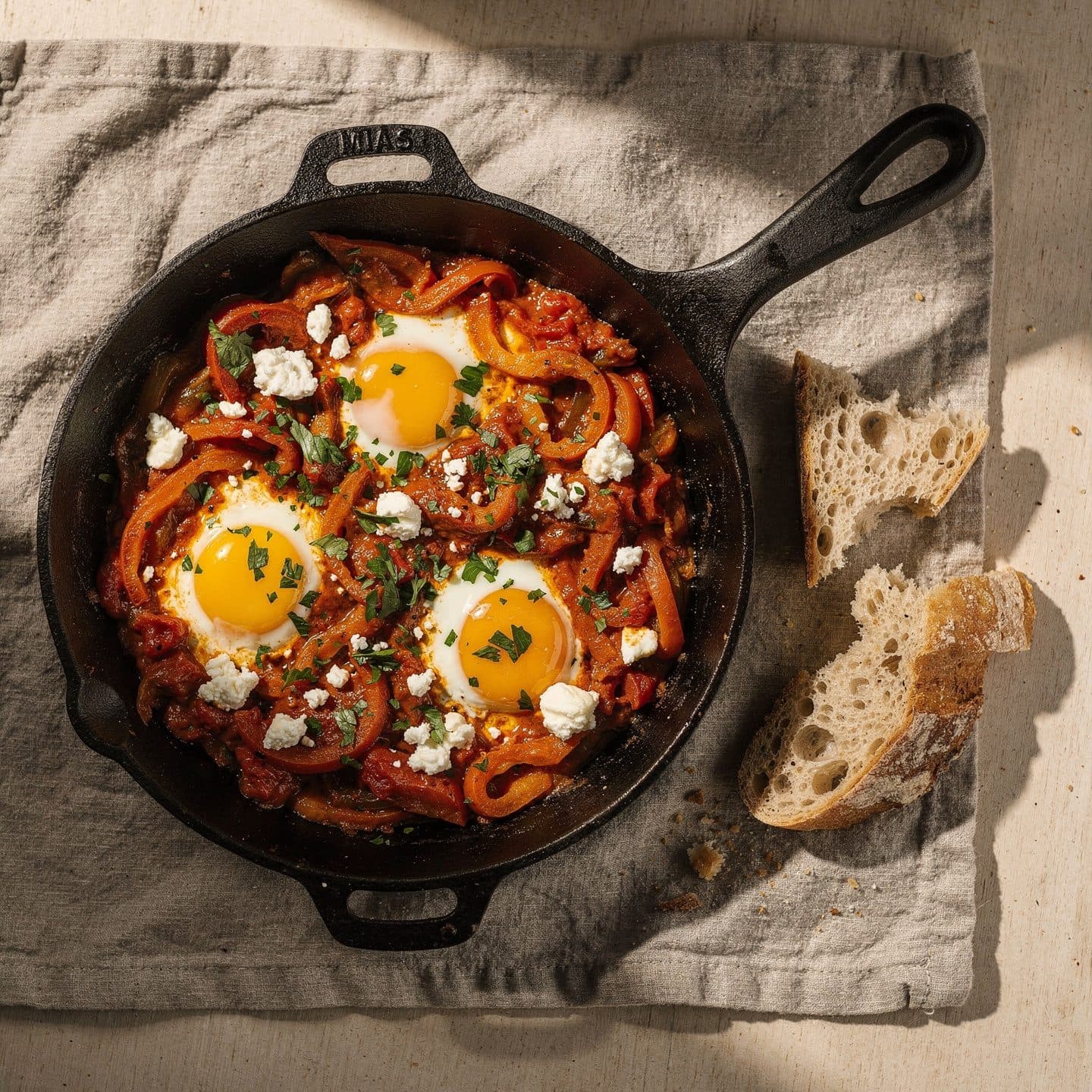
- Dinner: Shakshuka (eggs poached in spiced tomato sauce) with warm pita
Thursday
- Breakfast: Greek yogurt parfait with granola and figs
- Lunch: White bean and vegetable soup
- Dinner: Pasta with olive oil, garlic, cherry tomatoes, and sardines (or anchovies if you're feeling bold)
Friday
- Breakfast: Whole grain toast with almond butter and sliced banana
- Lunch: Chickpea salad with lemon, parsley, red onion, and olive oil
- Dinner: Pan-seared cod with roasted asparagus and quinoa
Saturday
- Breakfast: Veggie-packed frittata with feta and herbs
- Lunch: Mezze plate with hummus, tabbouleh, olives, pita, and stuffed grape leaves
- Dinner: Slow-cooked lamb (or beef) with white beans and tomatoes — a treat meal
Sunday
- Breakfast: Smoothie with spinach, banana, Greek yogurt, and a handful of walnuts
- Lunch: Leftover lentil soup or a simple grain bowl with roasted vegetables
- Dinner: Grilled shrimp over couscous with a cucumber-dill yogurt sauce
How to stock your Mediterranean pantry
You won't need to shop for exotic ingredients every week once you have the base pantry set up. Here's what to keep on hand:
Dry goods:
- Canned chickpeas, lentils, white beans
- Canned whole tomatoes and tomato paste
- Olive oil (get a good one — you'll use it constantly)
- Farro, bulgur, or whole wheat pasta
- Dried herbs: oregano, thyme, cumin, smoked paprika, za'atar
Fridge staples:
- Greek yogurt (full-fat, plain)
- Feta cheese
- Kalamata olives
- Lemons (always lemons)
- Eggs
Frozen:
- Spinach and leafy greens
- Edamame
- Shrimp and fish fillets
With this pantry stocked, you can throw together a Mediterranean meal on a weeknight without thinking too hard.
Batch cooking for the Mediterranean diet
The Mediterranean diet pairs beautifully with batch cooking, because a lot of the foundation foods keep well in the fridge.
What to batch on Sunday:
- Grains: Cook a big pot of farro or quinoa. It lasts 5 days in the fridge.
- Legumes: Roast a sheet pan of chickpeas for snacking and topping salads.
- Roasted vegetables: Whatever's in season, like zucchini, eggplant, peppers, broccoli.
- Sauce base: Simmer a big batch of garlicky tomato sauce. Use it for shakshuka, pasta, or as a soup base.
With those four things done, assembling weeknight meals takes under 20 minutes. Grain bowl with roasted veg and a fried egg on top? Five minutes. Pasta with tomato sauce and tuna? Literally eight minutes.
If you're new to batch cooking, check out the weekly meal prep guide for a systematic approach that works for any eating style — including Mediterranean.
Budget-friendly Mediterranean eating
People assume "Mediterranean" means fancy imported ingredients. It doesn't. The traditional diet of the region was, historically, peasant food — dried legumes, seasonal vegetables, olive oil, and whatever fish was cheap and local.
The most affordable Mediterranean staples are also the healthiest:
- Lentils and canned beans (under $2 per can, feeds 2–3)
- Canned fish: sardines, tuna, mackerel (wildly nutritious, wildly cheap)
- Eggs (great protein, versatile, cheap)
- Seasonal produce (whatever's on sale)
- Whole grain pasta and rice in bulk
You do not need to buy fresh-caught Mediterranean sea bass to eat this way. If you want to stretch your grocery budget further, the meal plan on a budget guide has a complete $50–$75/week framework you can adapt to Mediterranean-style eating.
Common beginner mistakes
Mistake 1: Treating olive oil like a calorie to minimize. Olive oil is the cornerstone of this diet. Use it generously for cooking, dressing salads, and finishing dishes. It's a feature, not a loophole.
Mistake 2: Going all-in on day one. You don't need to throw out your pantry. Start by cooking two or three Mediterranean meals per week and expand from there.
Mistake 3: Ignoring the social dimension. In Mediterranean countries, eating is communal and unhurried. The research suggests this matters. Slow down. Eat with people when you can.
Mistake 4: Forgetting vegetables. This is a plant-forward diet. If your plate is mostly chicken and rice, you're missing the point. Vegetables are the main event here.
Saving and organizing your Mediterranean recipes
Once you start cooking this way, you'll quickly accumulate a collection of go-to recipes: your favorite lentil soup, a shakshuka that works every time, a grain bowl formula you've refined over a dozen iterations.
Keeping those in your head or scattered across browser tabs doesn't work. RecipeClip lets you clip recipes from anywhere on the web (food blogs, YouTube, Instagram) and organizes them into your personal recipe library. You can tag them by cuisine, dietary pattern, or cooking time, so finding your Mediterranean weeknight recipes is instant rather than a scroll through ten open tabs.
Aim for directional change
The Mediterranean diet isn't a 30-day challenge with a finish line. It's a general pattern that you can lean into over time. Eating fish twice a week instead of once is progress. Swapping your cooking oil to olive oil is progress. Adding a salad to dinner five nights a week is progress.
The goal is directional change, not dietary perfection. Pick one or two things from this guide, try them this week, and see how it feels.
Pick two swaps from the list above and cook Monday's salmon this week. That's a complete start. And when you find the lentil soup that becomes yours, put it somewhere you can find it again.