How Much Protein Per Meal, and How to Actually Hit It
Practical gram targets for breakfast, lunch, and dinner, with real food examples instead of vague advice to eat more protein.
Three eggs and a slice of toast is about 21 grams of protein. A cup of Greek yogurt is around 20. A chicken breast is 35 to 40 depending on size. If you keep landing short of a daily target, the fix isn't eating more food. It's knowing which foods carry protein and which ones only feel like they should.
Needs vary by body size, activity level, age, and goals, and nothing here replaces a doctor or a dietitian if you have specific medical needs. These are rough per-meal targets and the foods that get you there, not a prescription.
A reasonable per-meal target
A commonly used starting point is 25 to 40 grams of protein per meal, spread across three meals, which lands most adults somewhere in the 75 to 120 gram daily range. Where you fall in that range depends on your size and goals; someone larger or more active generally needs more than someone smaller and more sedentary.
Per-meal targets beat a daily total for one reason. Protein spread through the day is easier to use than the same total dumped into one sitting, and 35 grams at each of three meals is a far easier ask than 100 grams of chicken at 7pm after eating toast and coffee since morning.
What 25 to 40 grams looks like on a plate
Numbers are easier to hit once you can eyeball them.
- 3 large eggs: about 18 grams. Add a slice of cheese and you're near 24.
- 1 cup Greek yogurt (plain, full-fat or nonfat): about 20 grams, more than regular yogurt because of how it's strained.
- 6 ounces chicken breast: about 48 grams, more than most people need in one sitting, but useful for splitting across two meals.
- 1 cup cooked lentils: about 18 grams, plus fiber that regular meat doesn't have.
- 4 ounces canned tuna: about 25 grams, and it's shelf-stable and cheap, usually under $1.50 a can.
- 1 cup cottage cheese: around 25 grams, an easy add to a bowl or a side at breakfast.
- 1 cup cooked black beans: about 15 grams, closer to a supporting player than the main protein source in a meal.
- 2 tablespoons peanut butter: about 7 grams, small on its own but adds up fast on toast or in a smoothie.
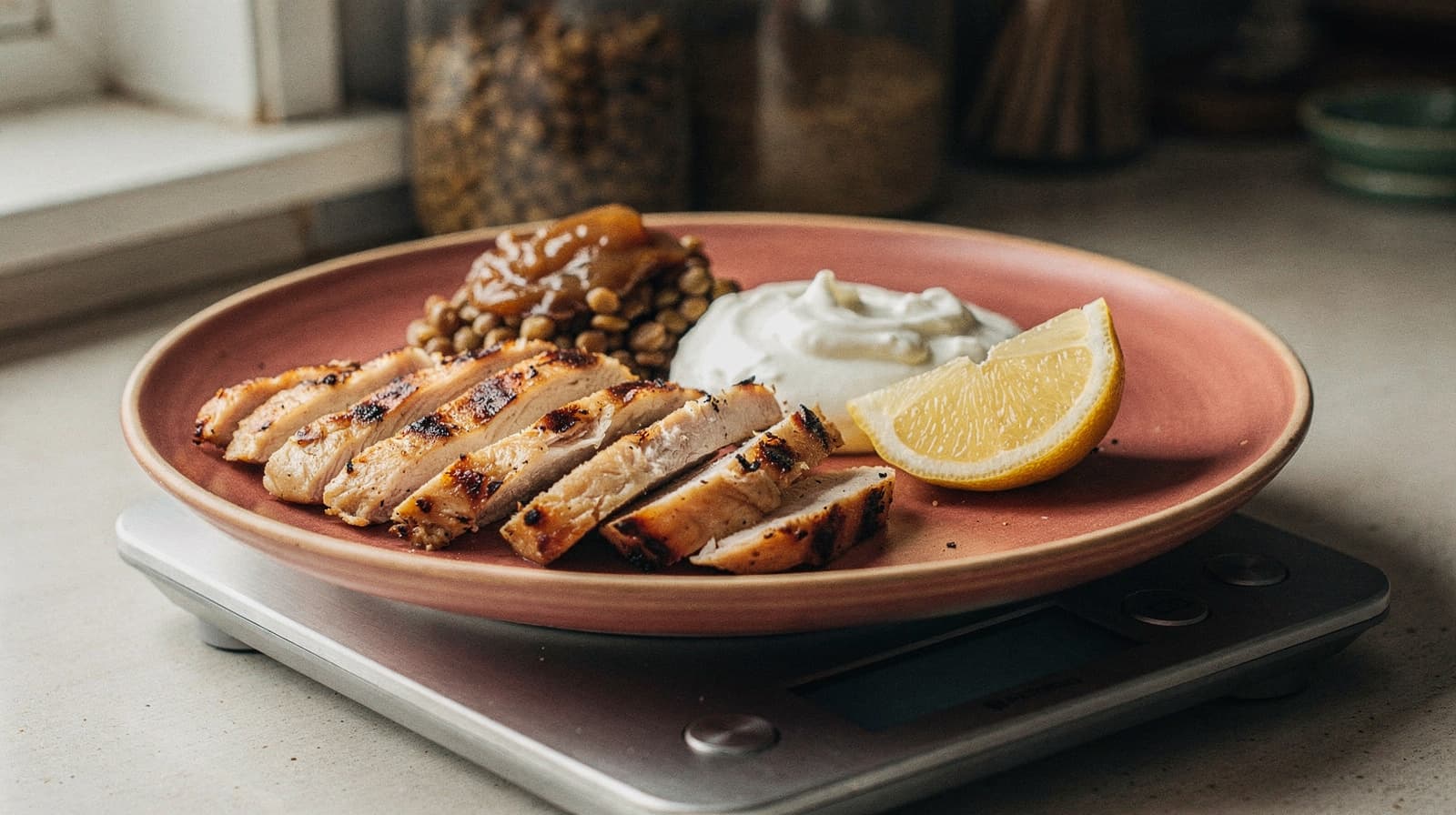
Stack two moderate sources instead of leaning on one big portion. Three eggs and a half cup of cottage cheese is 30 grams at breakfast. Four ounces of chicken with a cup of lentils is closer to 50 at lunch, and neither plate looks like a bodybuilder's.
Breakfast is usually the weak meal
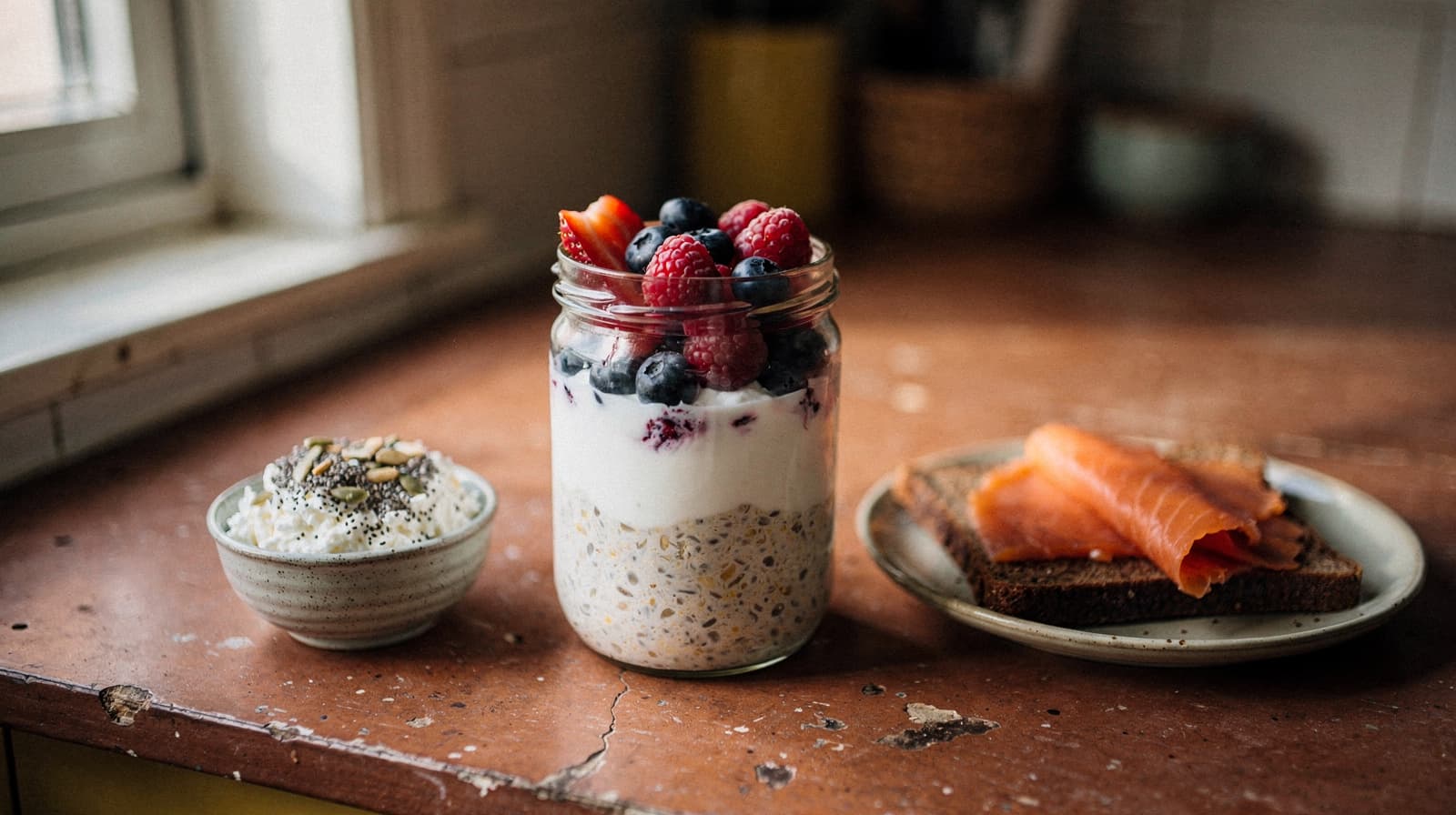
Most people's protein deficit isn't at dinner. It's at breakfast, where cereal, toast, or a pastry might carry 4 to 8 grams total. That gap is hard to make up later in the day without overeating at dinner.
Practical fixes that don't require cooking a full breakfast every morning:
- Add a scoop of Greek yogurt or cottage cheese to whatever you're already eating
- Keep hard-boiled eggs in the fridge, made in a batch on the weekend, for a 30-second add-on
- Blend a smoothie with a protein source (yogurt, milk, or a scoop of protein powder) rather than just fruit and juice
- Swap a pastry for eggs on toast two or three mornings a week, not every day if that's not realistic
Plant-forward meals can hit the same targets
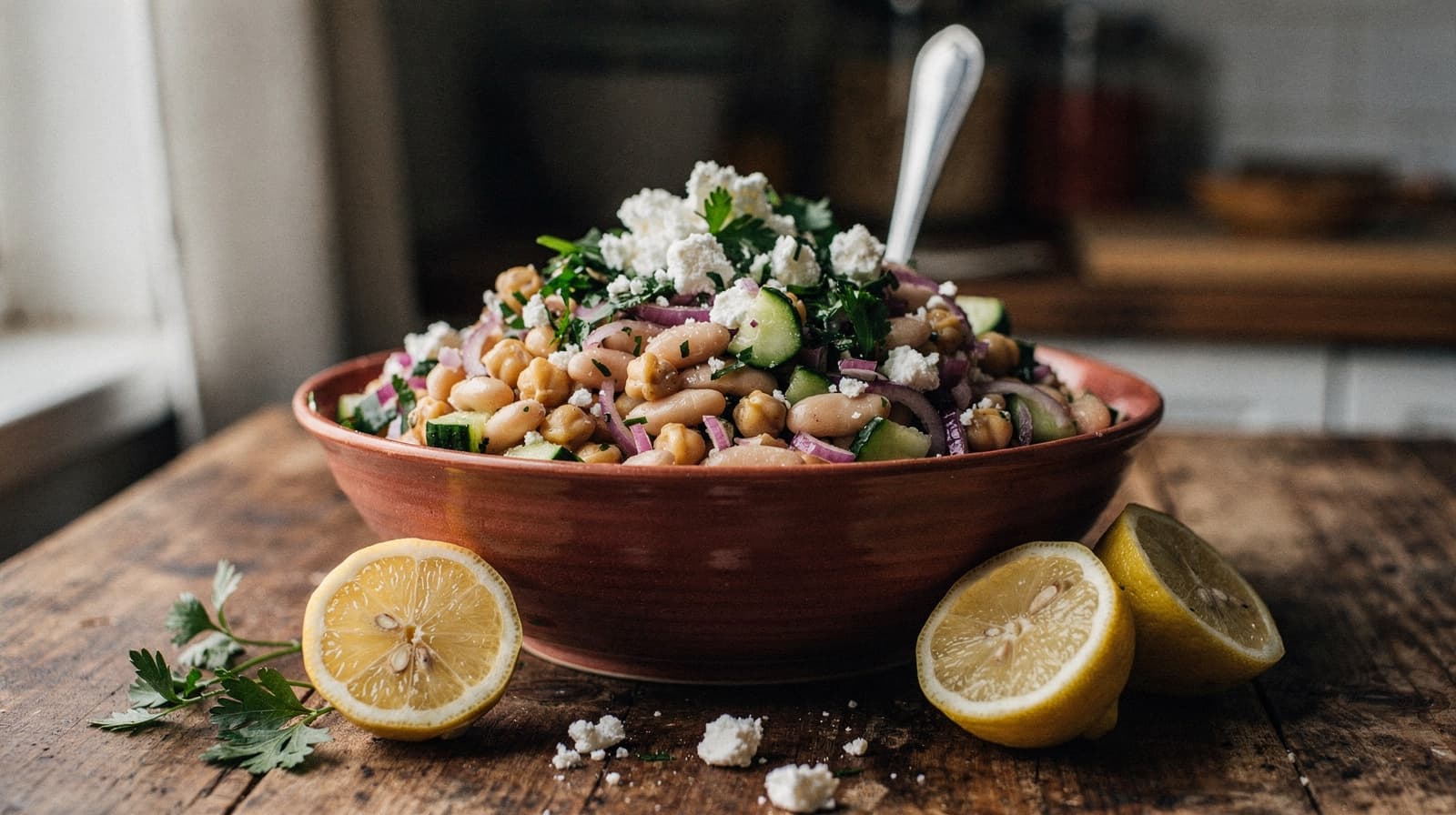
Meat isn't required to reach 25 to 40 grams. It's the densest route, so a plant-based version of the same target means more food on the plate. A bowl of lentils (18 grams), a half cup of cottage cheese (12 grams), and two tablespoons of pumpkin seeds (5 grams) lands at 35 with no meat in it.
Tofu anchors the same trick. Half a cup of firm tofu is about 10 grams, from a $2 to $3 block that gives you three or four servings. Add half a cup of edamame at 8 grams and a serving of rice and the stir fry clears 25.
For families, protein targets differ by person
One blanket number doesn't survive a household with a nine-year-old and two adults in it. Kids need less per meal, and that shifts again with a growth spurt or a season of soccer practice. No chart handles it.
So build the meal around one protein-forward base, a roast chicken, a pot of chili, a tray of baked salmon, and let the serving spoon do the adjusting. Nobody cooks two dinners to hit two numbers. Our guide to meal planning for a family of four covers meals that flex by portion rather than by recipe.
Batch cooking makes the daily target realistic
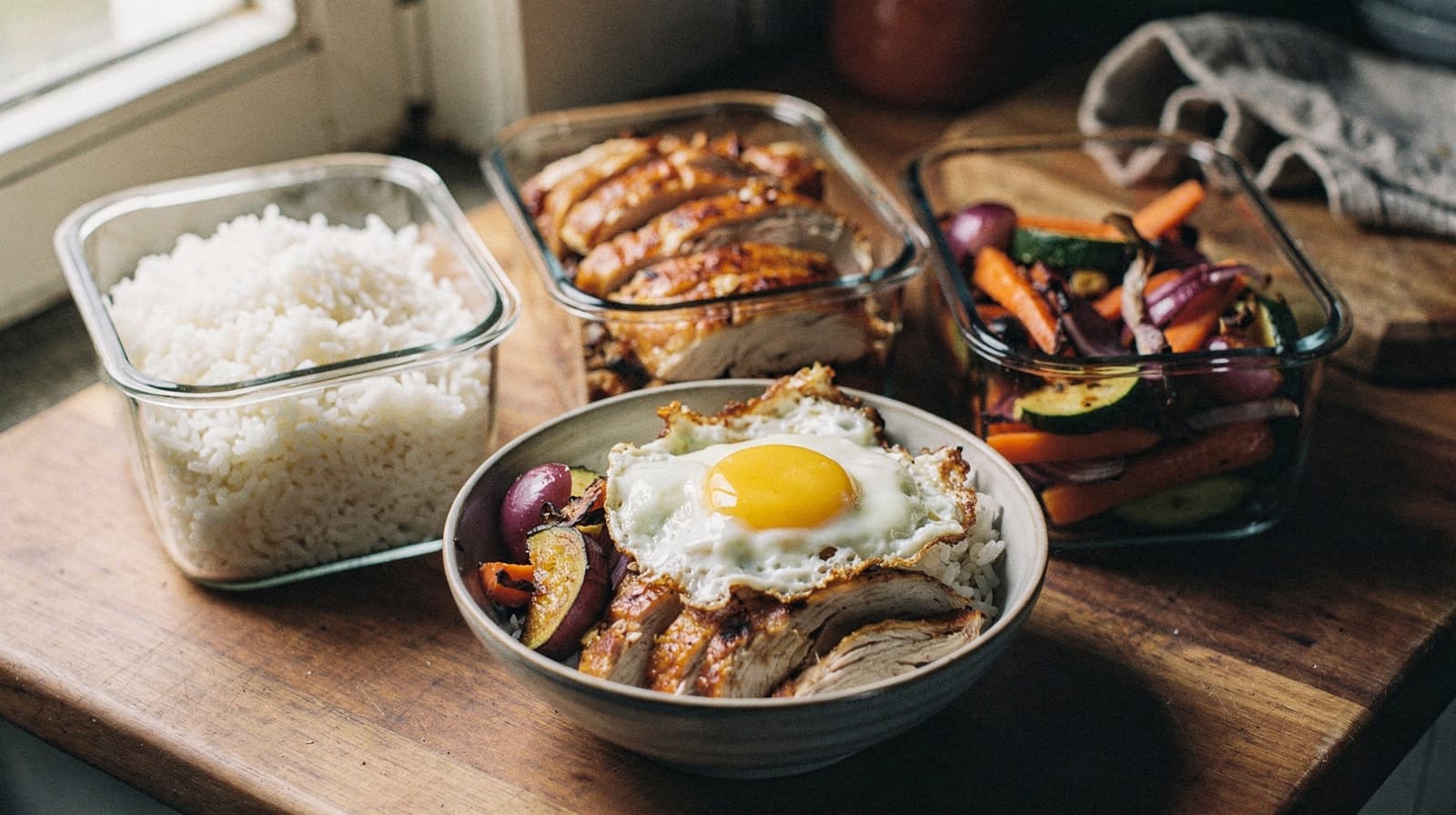
Hitting a protein target three times a day, every day, is much harder if you're starting from raw ingredients at every meal. Cooking a large batch of chicken thighs, ground turkey, or lentils once and portioning it across the week turns "add protein to this meal" into a 90-second task instead of a cooking project.
Our guide to batch cooking proteins walks through cooking a week's worth at once, and high-protein meal prep ideas has specific combinations built around hitting these per-meal numbers without repeating the same chicken-and-rice bowl five days running.
If you don't know where you land, write down what you eat for three days and add up the grams. The gap is almost always breakfast, with the 4pm chips a distant second. Fix breakfast first: boil six eggs on Sunday and the deficit mostly goes away.