Five Rules for Turning Leftovers Into a Different Dinner
How to remix last night's dinner into something that doesn't taste like leftovers, using five repeatable moves instead of guesswork.
Leftover roast chicken reheated on a plate tastes like a worse version of last night's dinner. The same chicken shredded into tacos with a fresh squeeze of lime tastes like a different meal that happens to share an ingredient. The chicken didn't change. The context around it did.
Most people reheat leftovers instead of remixing them, which is why leftovers have a reputation for being the sad option. Five moves fix that, and none of them take longer than cooking from scratch would.
Rule one: change the format, not just the plate
Reheating keeps the format identical. Chicken and rice becomes chicken and rice again, a day older. Remixing changes the vessel: roast chicken turns into taco filling, a salad topping, or the protein in a soup. Yesterday's rice fries up, or goes into stuffed peppers. Roasted vegetables become the base of a frittata.
The ingredient stays recognizable; the eating experience doesn't. That's the whole trick, and it's the difference between a household that eats leftovers happily and one that lets them rot in the back of the fridge.
Rule two: add one new texture
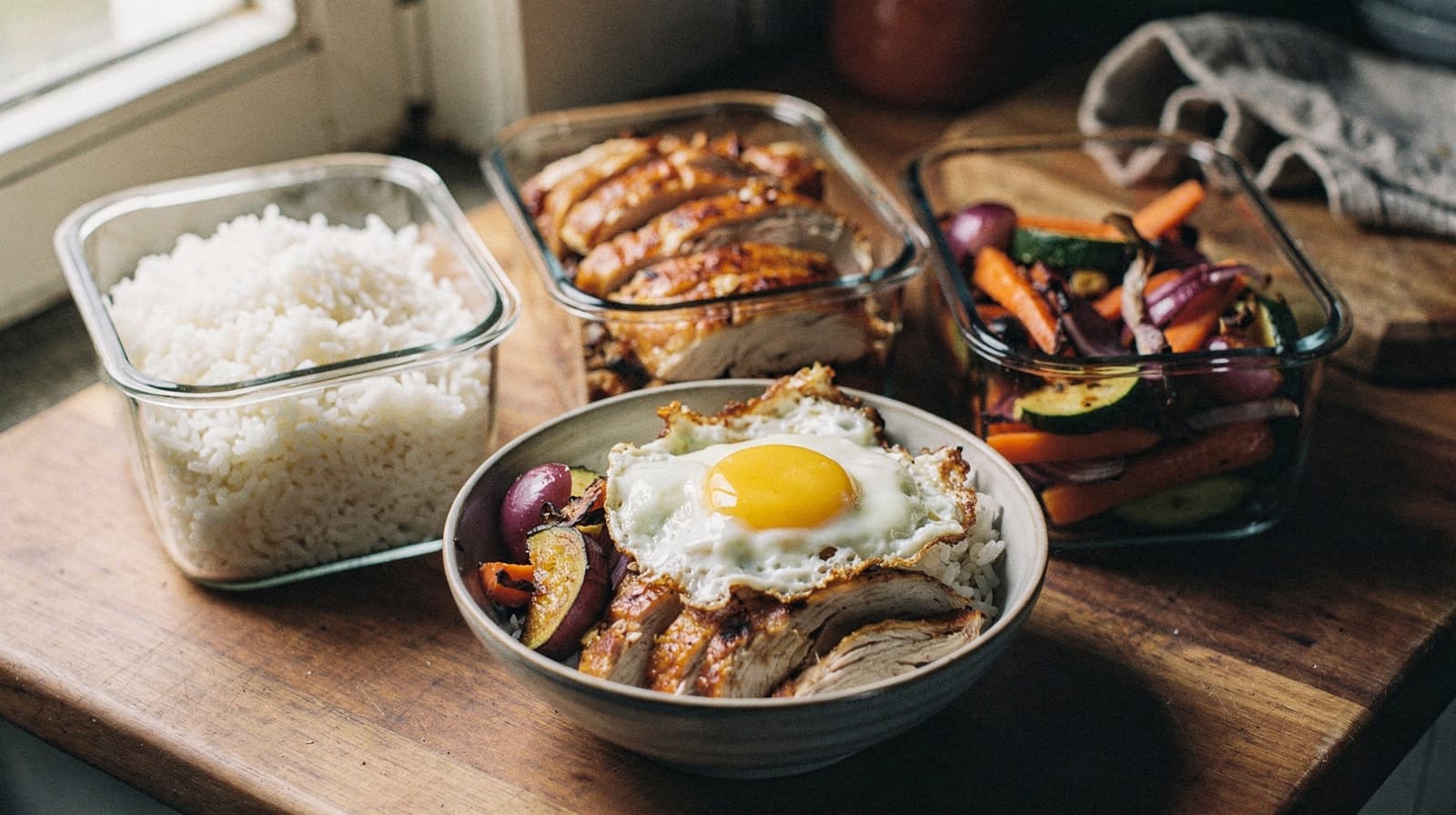
Leftovers are uniformly soft, because a day in the fridge softens everything a little further. Bring back some crunch and the dish stops reading as reheated: toasted breadcrumbs on pasta, a handful of crushed tortilla chips on a bowl, quick-pickled onions on tacos, or a fried egg with crispy edges on top of rice.
Two minutes of work, and it's the highest-return move on this list.
Rule three: add one new acid or heat
Day-old food tastes flat compared to fresh, mostly because seasoning fades and fat congeals slightly overnight. A squeeze of lime, a splash of vinegar, or a spoonful of hot sauce wakes the whole dish back up. This matters more for braises, stews, and roasted proteins than for anything that was already bright when it went into the fridge.
Taste before you serve. If it tastes muted, it needs acid before it needs more salt.
Rule four: cross a cuisine line
The fastest way to make last night's dinner feel unrelated to tonight's is to borrow a technique or sauce from a different cuisine entirely. Leftover roasted vegetables tossed with soy sauce, sesame oil, and rice become a completely different dish than the same vegetables with olive oil and lemon did the night before. Leftover taco meat folded into a quesadilla instead of eaten on a tortilla shifts the whole experience without changing a single ingredient in the pan.
You don't need to be an expert in the cuisine you're borrowing from. One sauce, one spice blend, or one cooking method is enough to shift the register.
Rule five: know what doesn't remix well
Not everything benefits from a second life. A few categories are worth eating as-is or freezing rather than forcing into something new:
- Fried foods, which lose their crunch and don't regain it no matter what you do to them
- Delicate fish, which dries out and toughens on a second reheat
- Anything already sauced heavily, since a second sauce on top usually competes rather than complements
- Salads that were dressed before storage, which wilt past the point of rescue
If a leftover falls into one of these, eat it cold, eat it plain, or skip it and cook something new. Forcing a remix onto food that's already past its best moment wastes the effort.
Storing it so the rules are easy to apply
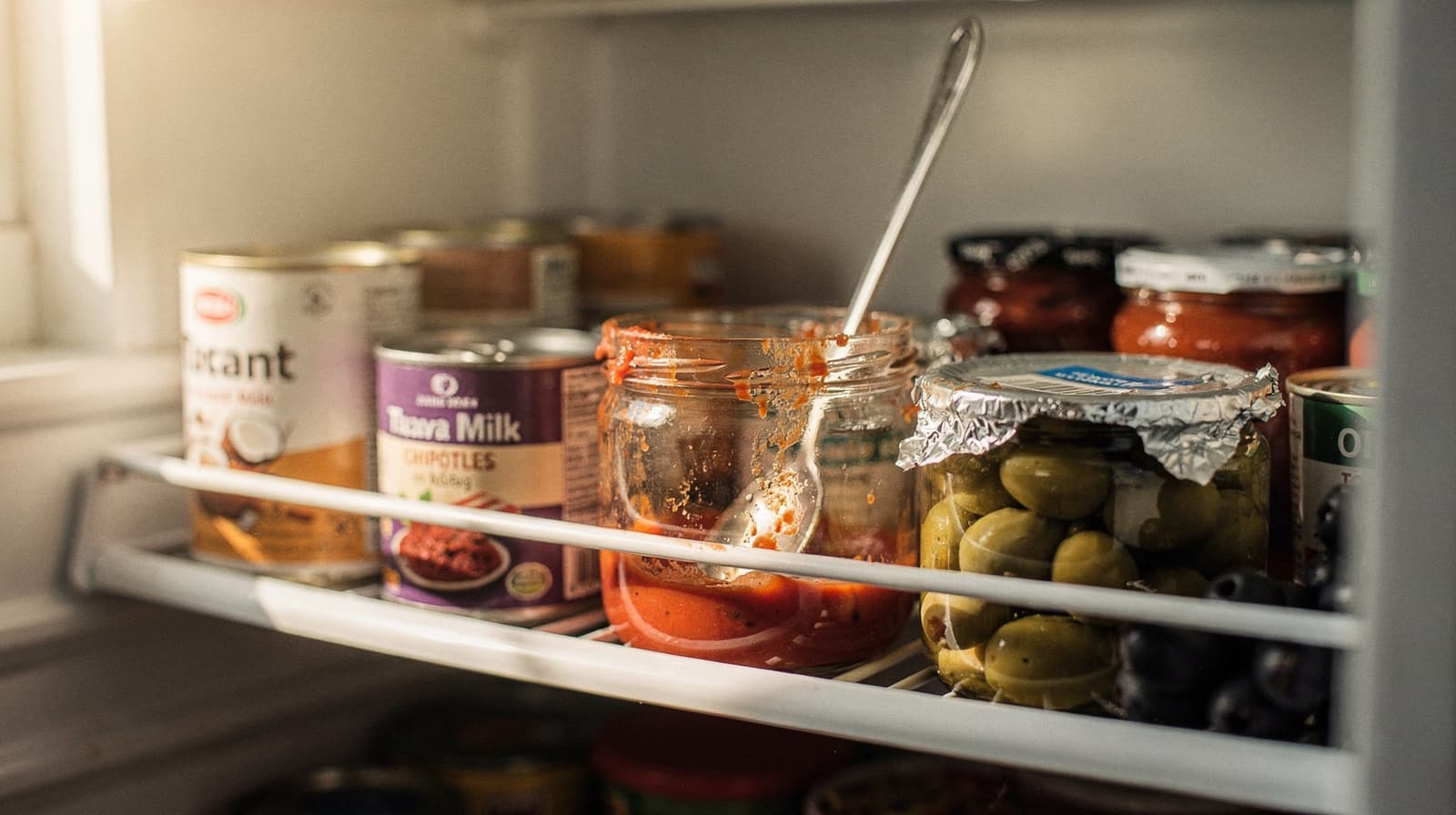
The remix rarely fails because of a bad idea. It fails because everything went into one big container, so pulling out "just the chicken" on Thursday means digging through cold gravy and soggy carrots first. Portion as you put food away: protein in one tub, starch in another, sauce in a third.
This takes maybe two extra minutes the night you cook, sorting into two or three smaller containers instead of one big one. It pays that time back tenfold on the night you're trying to remix, when you can grab exactly the chicken and nothing else instead of fishing it out of a casserole dish.
Mind the window. Most cooked leftovers hold their quality for 3-4 days in the fridge, and past that, texture and safety both go. No remix rescues day-six chicken. If you already know a leftover won't get eaten by day four, freeze it the night you cook it.
Putting the rules together
A Tuesday roast chicken dinner can turn into three more meals across the week using these rules together, not sequentially. Wednesday: shredded chicken tacos (format change) with quick-pickled red onion (texture) and hot sauce (acid). Thursday: chicken fried rice using Tuesday's rice too, with a fried egg on top and a splash of soy sauce (format, texture, and cuisine shift in one dish). Friday: chicken noodle soup with the carcass simmered for stock, finished with a squeeze of lemon.
Three distinct dinners, one shopping trip, almost no additional cooking beyond the original roast. This is close to how a batch-cooked protein is meant to be used from the start, treated as a component rather than a finished dish.
Why this saves money, not just dinner
Households that remix leftovers well waste less food, and not because they're more disciplined. The food never sits in the fridge long enough to lose its appeal. A container of plain reheated chicken gets pushed to the back of the shelf after one uninspired night. A container labeled "Wednesday tacos" gets opened on Wednesday.
That's the difference between throwing out a $9 half-chicken and eating it.
Tracking what worked
The rules are simple enough to hold in your head, but the specific combinations that landed well with your household are worth writing down. "Roast chicken + pickled onion + lime" is a formula you'll want again in a month, and it's easy to forget the exact ratio by then.
Keeping a running note of successful remixes in RecipeClip means the next time you're staring at a container of leftover pot roast, you're not improvising from nothing. You've got a list of what already worked on the last three things that looked like it.
For the bigger-picture version of this habit, our guide to reducing food waste covers storage and shelf life alongside the remix side of things.