How to Meal Plan for a Family of 4: A Practical Weekly System
Meal planning for a family of 4 doesn't have to be complicated. Here's a realistic weekly system that saves time, cuts waste, and keeps everyone fed.
Meal planning for a family of four is a different game than planning for one or two people. You've got different preferences, varying schedules, and the constant challenge of making food that everyone will actually eat without cooking four separate meals.

The good news: a simple, repeatable system handles most of this. Here's what works.
Why family meal planning is different
When you're cooking for yourself, "winging it" is annoying but manageable. For a family of four, it quickly becomes expensive and exhausting. Without a plan:
- You end up at the grocery store multiple times a week
- Half the produce goes bad before you use it
- Dinner becomes a nightly negotiation between kids who want pasta and adults who want salad
- You spend more money than you planned because you're buying ingredients without a clear purpose
A weekly plan solves all of this. But it has to be realistic — not aspirational.
Step 1: build your family's "rotation"
The foundation of family meal planning isn't a new recipe each night. It's a rotation of 10–15 meals your family already likes and will reliably eat.
Start by writing down every dinner that got positive reactions in the last few months. Include the boring ones — pasta, tacos, sheet pan chicken. These are your workhorses.
Group them roughly by type:
- Quick weeknights (under 30 minutes): stir fry, pasta, quesadillas, burgers
- Weekend projects (45+ minutes): roasted chicken, slow cooker soups, homemade pizza
- Everyone-wins meals: whatever your family consistently agrees on
You don't need 30 different recipes. You need 15 good ones that rotate.
Step 2: plan around your week, not the calendar
A big mistake is treating every weeknight equally. Tuesday after soccer practice is not the same as Saturday afternoon. Plan accordingly.
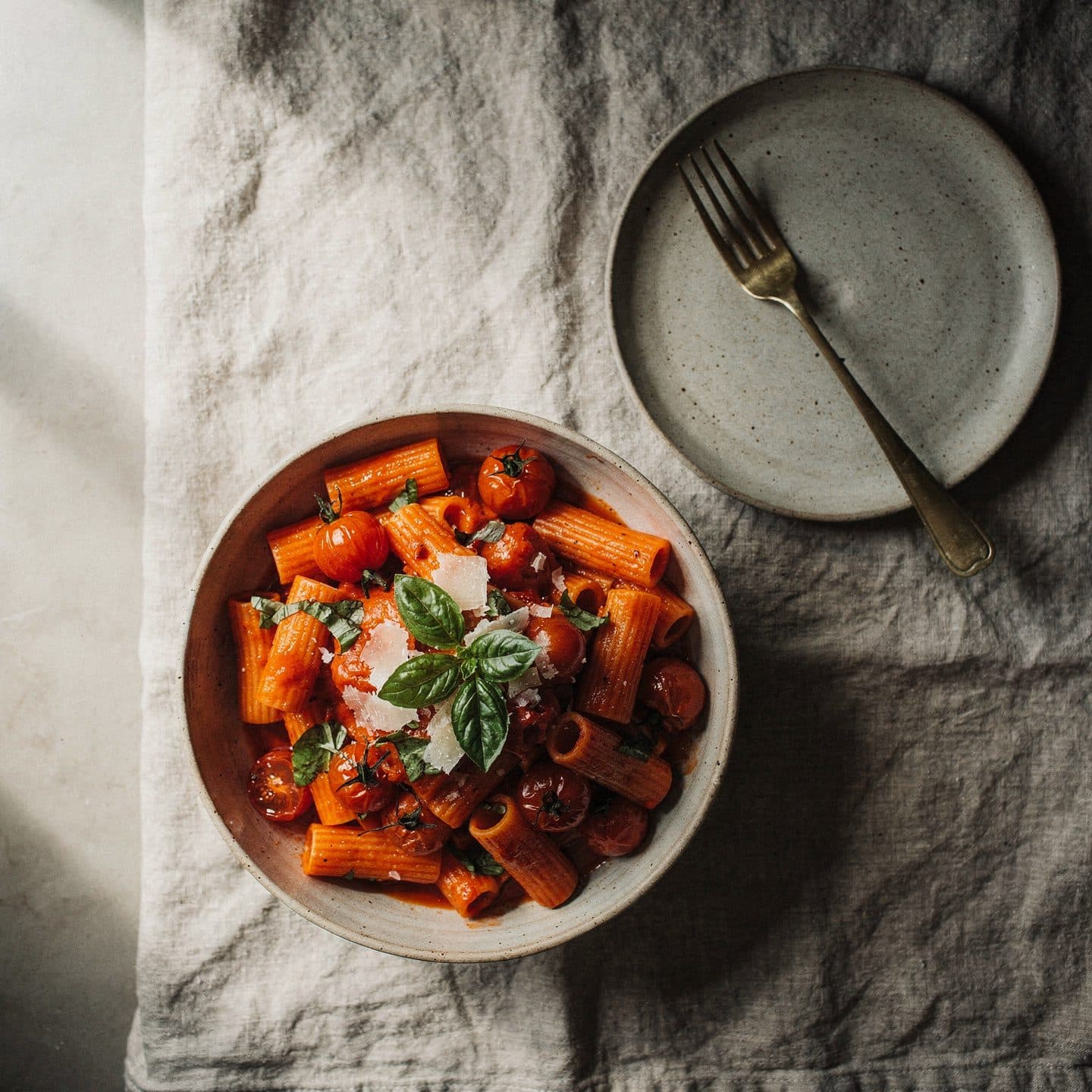
Busy nights (sports, work commitments, school events): Pick your fastest meals — pasta with jarred sauce, grain bowls from prepped components, tacos with store-bought salsa.
Mid-week reset: Something with leftovers built in. A big pot of soup or a roast chicken yields lunch for the next two days.
Weekend anchor: One slightly more involved meal that makes leftovers or preps components for the week ahead. A pot of beans. A batch of roasted vegetables. A whole roasted chicken you carve and use three ways.
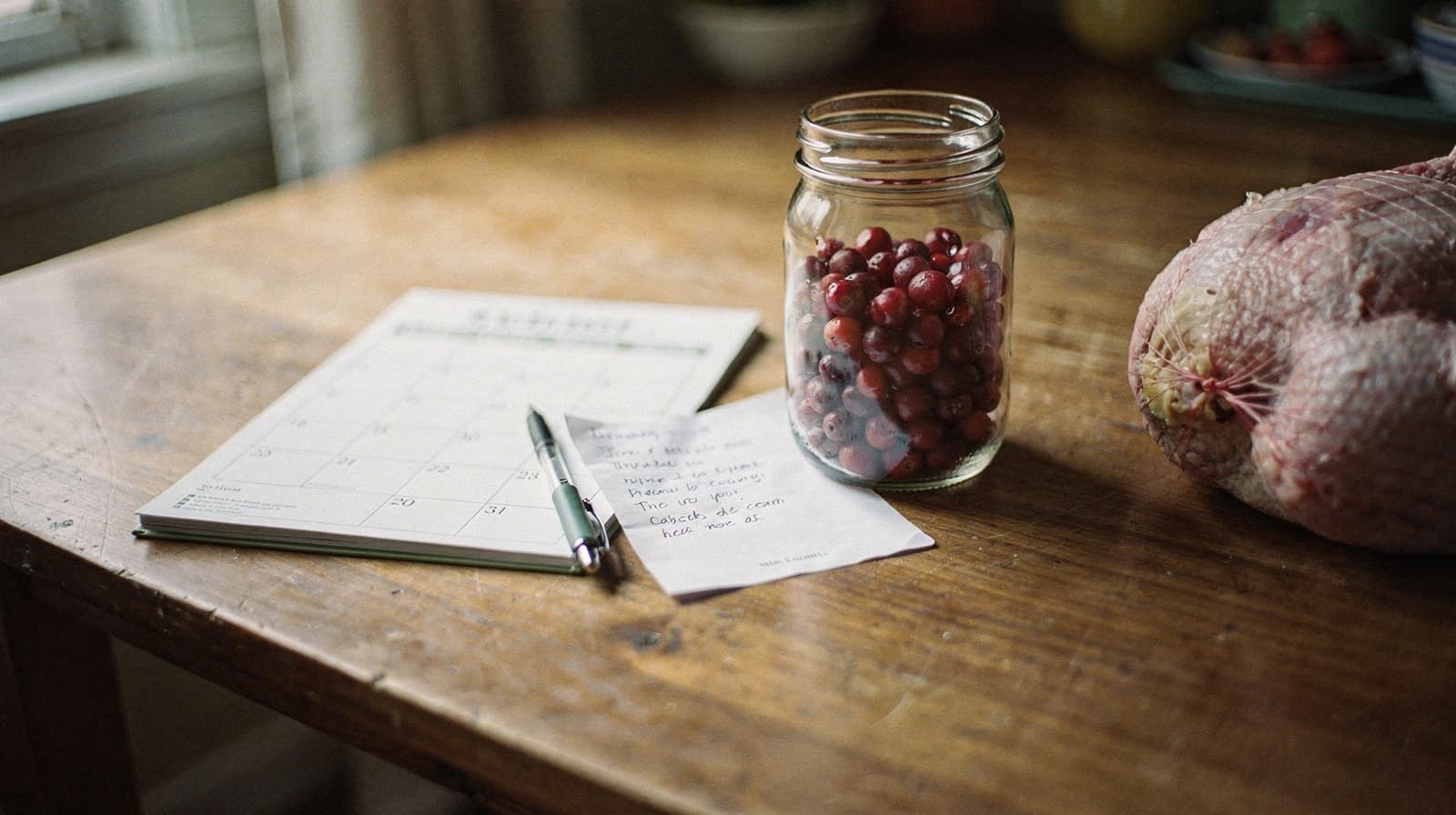
When planning, look at your actual week first, then assign meals to nights based on how much time and energy you'll realistically have.
Step 3: write one grocery list (not five)
One weekly grocery shop beats multiple mid-week trips, both for time and cost. Plan all five dinners (or however many you cook at home) before you make the list.
A useful framework for the list:
Produce: What fresh items do you need? Note which will last the full week vs. what to use first (fragile: lettuce, herbs, berries; sturdy: carrots, cabbage, apples).
Proteins: Plan proteins first, since they're the most expensive and often the hardest to substitute. Buy what's on sale and plan meals around it when possible.
Pantry staples: Olive oil, pasta, canned tomatoes, rice, stock — buy in bulk when you run low, not one-off per trip.
Dairy and eggs: A family of four goes through eggs fast. Buy more than you think you need.
Using a recipe app like RecipeClip helps here: you can save your rotation recipes, pull up the ingredient lists, and build a combined grocery list without writing anything out manually.
Step 4: do one smart prep session (not a full cook)
You don't have to batch-cook everything on Sunday. That's a lot of effort for questionable return, and it often means eating the same food all week.
Instead, do a 30–45 minute prep session that sets up the week:
Prep what takes the most time
- Wash and chop vegetables you know you'll use: carrots, celery, onions, bell peppers. Stored in containers, these last 4–5 days and save 10 minutes per meal.
- Cook one grain: a pot of rice or farro. Use it as a side, in grain bowls, or as a base for stir fry.
- Hard boil a batch of eggs: Fast protein for lunches and breakfasts, and no one ever regrets having them.
Prep one protein if you have time
Baked chicken thighs take 25 minutes and can turn into three different meals: sliced over salad, chopped into tacos, or stirred into pasta. See our guide on how to batch cook proteins for the week for the full breakdown.
The point is to cut the cognitive load and the chop time, so dinner comes together in 20 minutes instead of 45.
Step 5: handle the "but I don't want that" problem
If you have kids, you know the drill. You planned tacos. One kid suddenly hates tacos. The other wants cereal.
A few strategies that help:
Give limited choices, not open-ended ones. "Do you want pasta with marinara or pasta with butter?" beats "What do you want for dinner?" Children (and many adults) find open-ended food decisions overwhelming. Constrained choices solve this.
Keep a reliable fallback. Every family needs one or two dead-simple backup meals that take 10 minutes and everyone tolerates. Scrambled eggs and toast. Grilled cheese. Quesadillas. When a planned meal falls apart, the fallback saves you from ordering out.
Let kids pick one meal per week. Within reason. This reduces resistance to the other nights — they had their say.
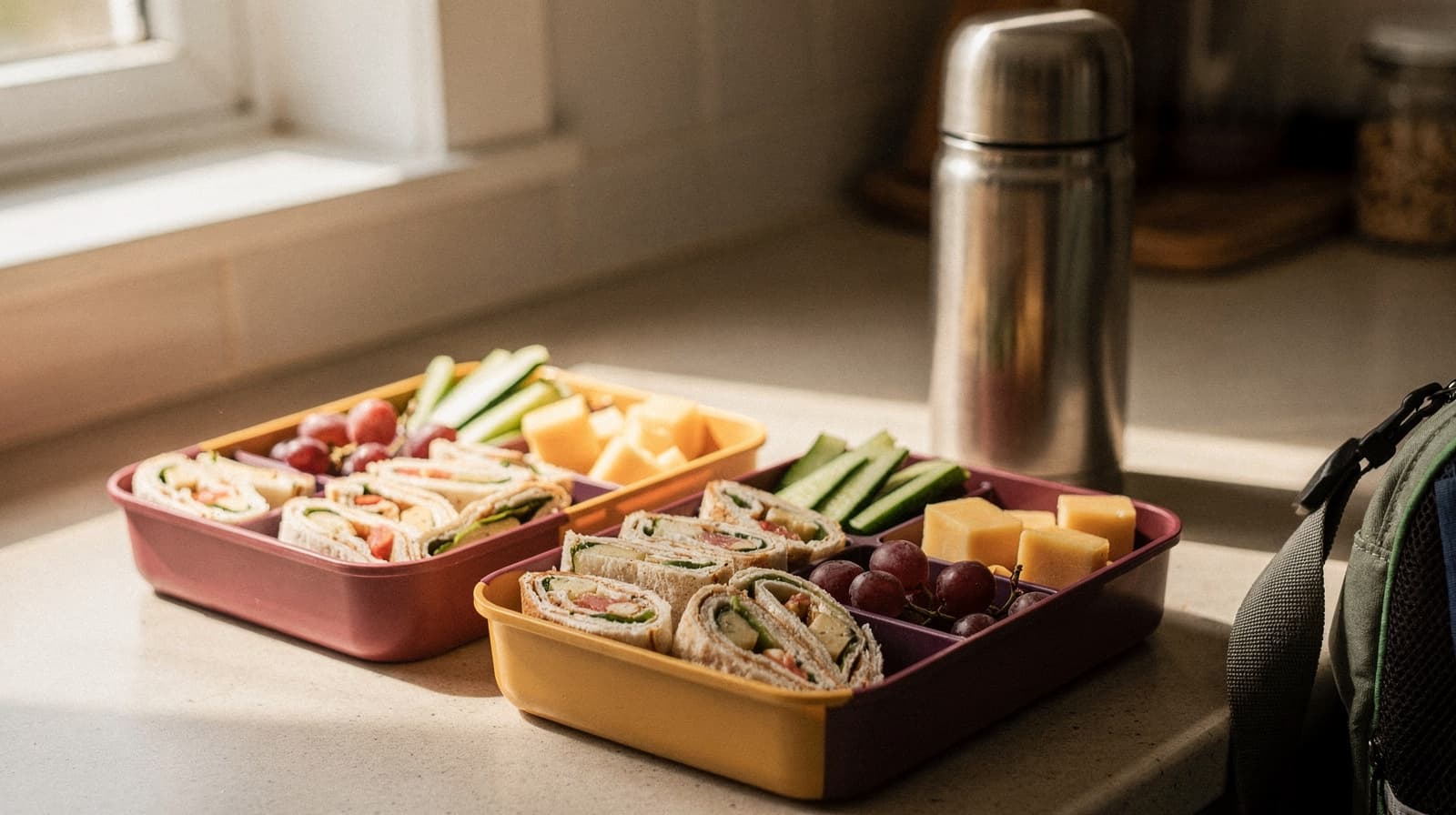
Don't cook separate meals. Serve a deconstructed version when possible. Taco night: the family gets tortillas, protein, cheese, toppings on the side. Everyone assembles their own. You cooked one meal.
What your week really looks like
Here's a realistic template for a busy family of four:
| Day | Meal | Time | Notes |
|---|---|---|---|
| Monday | Pasta with meat sauce | 25 min | Use prepped ground beef |
| Tuesday | Sheet pan chicken + veggies | 35 min | Hands-off time |
| Wednesday | Tacos | 20 min | Leftover chicken works |
| Thursday | Soup or leftovers | 15 min | Or grain bowls from prep |
| Friday | Pizza (homemade or takeout) | — | Family tradition |
| Saturday | One bigger meal | 60 min | Roast, braise, or BBQ |
| Sunday | Leftovers / simple | 15 min | Prep for next week |
You don't need variety every single night. Families thrive on routine. Predictability reduces the decision fatigue that makes dinner feel like a project.
Keeping your recipe system organized
The other piece is having your recipes somewhere you can find them. Most families have recipes scattered across bookmarks, Pinterest boards, old food magazines, screenshots, and their grandmother's index card file.
When you're planning the week, you need to quickly pull up what's in your rotation, check what ingredients you need, and build your grocery list. RecipeClip lets you clip recipes from any website, store them in one place, and tag them so you can filter by category (quick dinners, kid-friendly, uses chicken), so planning takes 10 minutes instead of 30.
For more on building a usable recipe collection, see How to Build a Recipe Collection You'll Actually Cook From.
Start with three dinners, not seven
Consistency beats perfection. A simple meal plan that you actually follow beats an elaborate one that falls apart by Wednesday.
Start with just three planned dinners per week. Nail those. Then expand to five. The system compounds: once you have a reliable rotation, a grocery list almost writes itself, and weeknight dinner goes from "what are we eating?" to something you barely have to think about.
Your rotation is the part worth writing down: fifteen meals, somewhere you can find them on a Tuesday at 5 PM. RecipeClip is one place to keep them.