What to Do With Half a Can of Everything
Leftover tomato paste, coconut milk, and beans don't have to die in the fridge. Practical uses and freezing tricks for the cans you never finish.
A recipe asks for two tablespoons of tomato paste. The can holds six ounces. You use the two tablespoons, and the rest sits in the fridge under a piece of plastic wrap until it grows a fuzzy grey spot and you throw out the whole thing, container included.
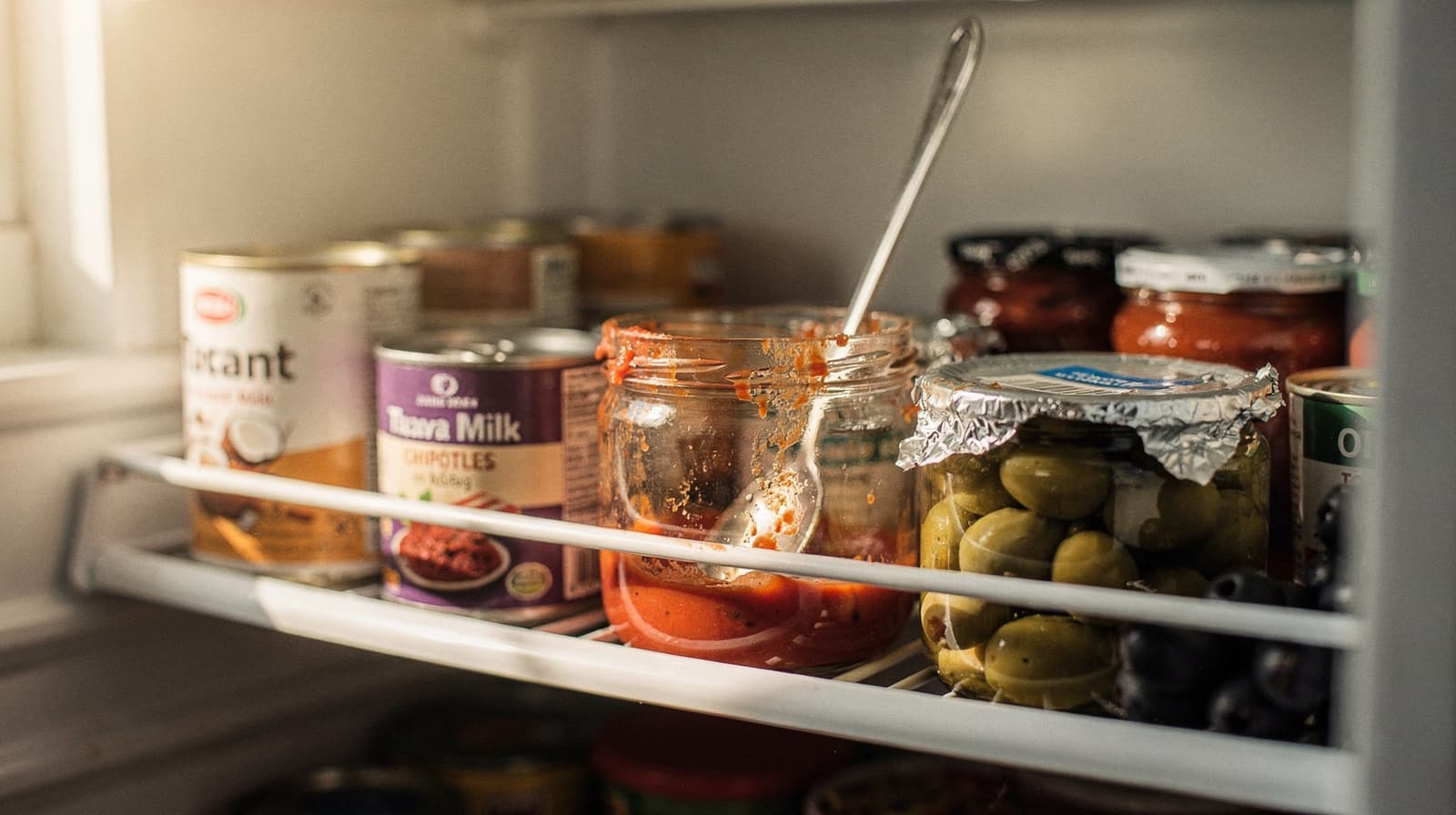
Coconut milk, chipotles in adobo, beans and broth all die the same death. Almost all of it freezes.
Tomato paste
Freeze it in tablespoon-sized dollops on a sheet of parchment, then transfer the frozen dollops to a bag once solid. You now have pre-portioned tomato paste for the next six recipes that each want a spoonful, instead of a fresh can every time. It thaws in under a minute in a hot pan.
If you'd rather use it fresh, tomato paste works well stirred into vinaigrette (a teaspoon adds body and a savory edge), whisked into a pan sauce after searing meat, or added to scrambled eggs for a subtle depth most people can't place.
Coconut milk
Full-fat coconut milk freezes fine, though it separates on thawing and needs a whisk or a blitz with an immersion blender to come back together. Pour leftovers into an ice cube tray for portions that work in curries and soups one cube at a time, or freeze the whole half-can if you know you'll use it within a few weeks.
Fresh, the leftover half-can is good stirred into oatmeal, blended into a smoothie, or used to loosen a peanut sauce that's gone too thick. It also makes a decent substitute for heavy cream in a pinch, though the coconut flavor will come through.
Canned beans
Beans keep in the fridge for about five days in their own liquid, covered. Beyond that, freeze them, liquid and all, in a container with room to expand. They hold their texture better than you'd expect and go straight from freezer to soup pot with no thawing required.
A half-can of beans is also a side dish waiting to happen. Olive oil, lemon juice, salt, and whatever herb is limping along in the fridge: five minutes, and the can is gone instead of sitting behind the milk until Thursday.
Chipotles in adobo
One can lasts most households a year, and the peppers dry out within a week of opening. Treat them like tomato paste. Freeze the chipotles one at a time, each with a spoonful of the adobo sauce, in an ice cube tray or a small bag, then pull one whenever a recipe wants smoky heat.
A single leftover chipotle, minced, turns into a fast aioli (mix into mayo with a squeeze of lime), a smoky addition to chili, or blended into a marinade for chicken thighs.
Broth and stock
Freeze in an ice cube tray for small amounts (deglazing a pan, loosening a sauce) or in a quart container for the next pot of soup. Stock thaws with no textural change at all, which is more than you can say for most things in the freezer.
If you keep ending up with orphaned half-cans, take stock of what's open before you cook rather than after. Our guide on cooking with what you have covers building meals around what's already in the kitchen, which is the same instinct that keeps half-cans out of the bin.
Evaporated milk and heavy cream
Both freeze reasonably well, though cream can separate slightly and benefits from a whisk once thawed. Evaporated milk holds up better than fresh cream and is worth freezing in small portions if a recipe only wanted a splash. Otherwise, a leftover bit of either is good stirred into coffee, scrambled eggs, or mashed potatoes.
Pesto and other oil-based sauces
A half-jar of pesto or two tablespoons of leftover chimichurri freezes cleanly in an ice cube tray, because the oil keeps it from setting into a solid block. A cube goes straight into hot pasta with a splash of the cooking water. Thawed, it's a sandwich spread, or a spoonful stirred through scrambled eggs at the end.
Citrus you only needed the zest or juice from
If a recipe wants the zest and leaves you the naked fruit, juice it and freeze the juice in an ice cube tray at roughly a tablespoon a cube. The reverse is the more useful habit. Zest every lemon before you juice it, even when the recipe doesn't ask, and keep the zest in a small tub in the freezer, so a teaspoon of peel never costs you another lemon.
Half an onion, half a bell pepper
Not everything orphaned in the fridge comes from a can, and the same logic applies to cut produce. A half onion wrapped tightly (cut side covered) keeps about a week in the fridge, and chopped, it freezes well for months, ready to go straight into a hot pan without thawing. A half bell pepper holds up a few days fresh, or diced and frozen, works the same way for stir fries and omelets later.
Building a habit around it
Decide at the moment you open the can, not later. Freeze-now or use-this-week, then act on it before the rest goes back in the fridge. "I'll deal with it later" is the whole failure, because later arrives after the mold does.
Label everything. A frozen bag of unlabeled brown liquid is a mystery, not an ingredient, and it will get thrown out unopened in March. Contents and date, in marker, before it goes in the freezer.
For a broader system for keeping food from going to waste across a whole kitchen, not just the half-used cans, see our full guide to reducing food waste and building a no-waste meal plan around what's already open in your fridge.