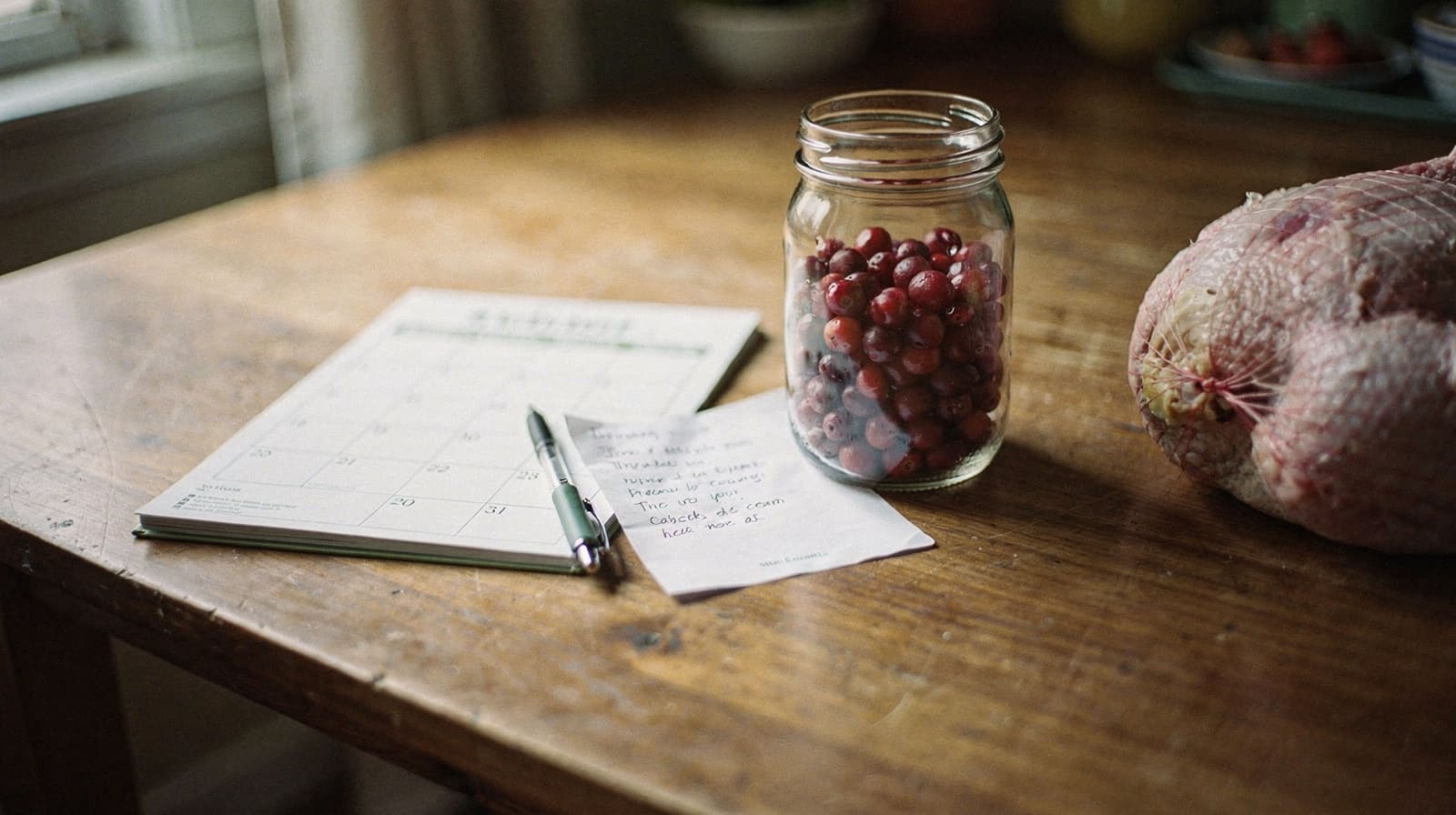
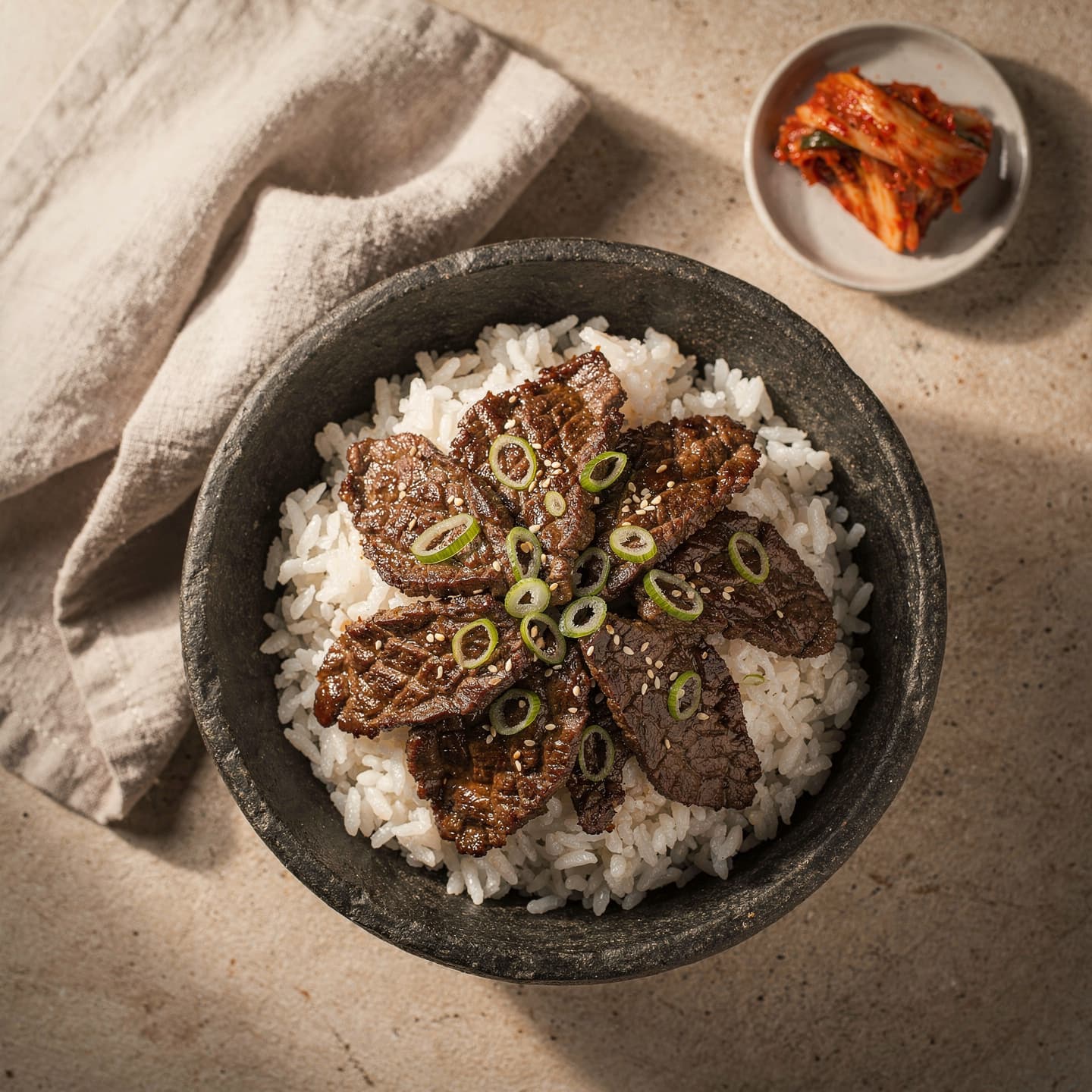
Meal Planning for Two Without Eating the Same Thing Four Nights Running
Cooking for two means every recipe is either too small or leaves leftovers nobody wants. Here's how to plan without repeating dinners all week.
Two people is an awkward number to cook for. Most recipes serve four, so you're either doing fractional math on a recipe that doesn't divide cleanly, or you're making the full batch and eating the same chili for the rest of the week. What you want is a different dinner Tuesday, Wednesday and Thursday without turning it into a research project.
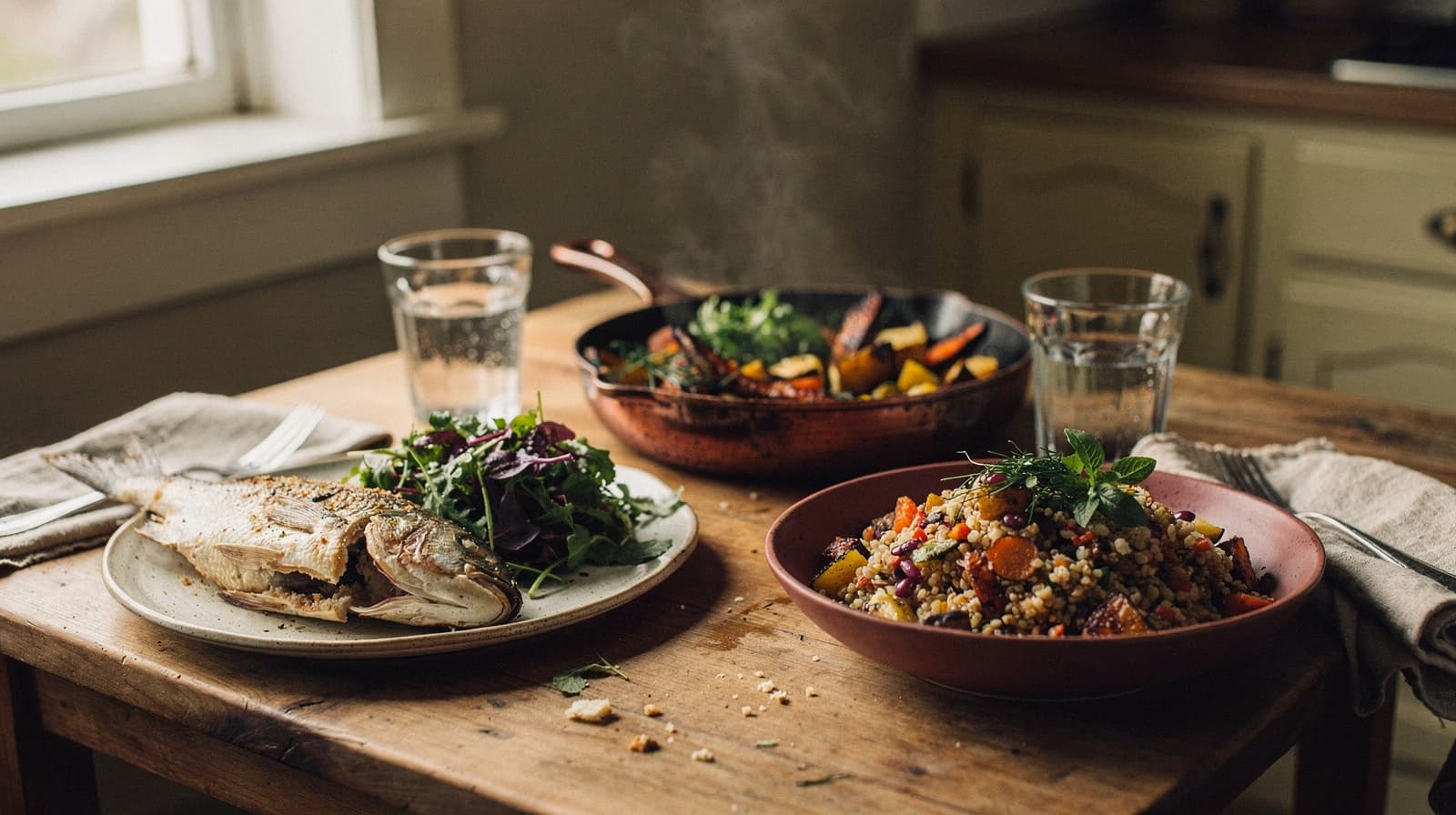
The fix isn't smaller recipes. It's planning around how much overlap two people can tolerate before a dish stops being dinner and starts being a chore.
The two-person leftover problem, named honestly
A recipe that serves four, cooked for two, produces two extra portions. That's manageable once. The trouble starts when you cook three or four such recipes across a week and now have six or eight orphaned portions competing for freezer space and stomach room. Most people solve this by quietly not cooking recipes that make "too much," which shrinks the list of dinners they're willing to try down to almost nothing.
The better solve is to treat the overlap as a resource instead of a problem. Plan two dinners a week that are meant to produce leftovers, and design the other three around fresh cooking that doesn't scale down awkwardly.
Pick two "batch nights" on purpose
Choose two dinners a week where you're happy eating the same thing twice. Braises, chilis, baked pasta, curry. Cook the full four-serving recipe on those nights, eat one serving each, and put the other two straight into lunch containers before you sit down. Do it before dinner, not after; two portions in a container at 6pm get eaten, and the same food scraped into a bowl at 9pm doesn't.
That keeps the repeat inside lunch, where most people care less about variety, instead of turning up again as dinner on Thursday. It works best with dishes that rest well, the same principle behind make-ahead party food, and day-two chili beats day-one chili anyway.
Fill the rest of the week with naturally two-serving formats
Some dishes are two-person-sized by nature. A sheet pan dinner halves without any arithmetic, because you're using less of the pan rather than a fraction of a measurement, though drop to a quarter sheet or the vegetables spread out and steam instead of roasting. Stir-fries and grain bowls behave the same way. Cook exactly the protein and vegetables you'll eat.
Pasta for two is simple if you weigh it instead of eyeballing it. Two ounces (57 grams) of dry pasta per person means 4 ounces covers dinner with nothing left in the pot. A kitchen scale costs about $12 and pays for itself in pasta you didn't throw out.
Eggs need no math at all. A frittata for two takes four or five; shakshuka takes four.
Buy in the quantities you'll cook, not the quantities on the shelf
Grocery stores are built around family-of-four assumptions, and produce is where that hurts. A 10-ounce bag of spinach is slime by Saturday. A whole cabbage outlives its usefulness three times over. Buy proteins in whatever pack the store offers, then split and freeze it the same evening. A pack of four chicken thighs, wrapped in pairs, is two dinners instead of one dinner and one science experiment.
For produce, lean on frozen more than a four-person household would need to. Frozen vegetables hold their nutrition and often their texture better than wilting fresh ones, and a bag doesn't have a countdown clock the way a fresh bunch does. Buy fresh in amounts you'll finish within two or three days and let frozen cover the gaps.
When a recipe won't scale down cleanly
Some recipes resist halving. A single egg white, a third of a 6-ounce can of tomato paste, half a can of coconut milk. That's how a two-person kitchen ends up with eight half-used cans on the fridge door, each covered in cling film nobody trusts.
Two workarounds cover most of it. Cook the full recipe when the ingredient won't survive being split, and call the extra a batch-night dinner. Or keep a running note of what a partial can is good for, so half a can of coconut milk goes into tomorrow's rice rather than sitting there for three weeks and then into the bin. Opened coconut milk lasts four or five days refrigerated; tomato paste freezes fine in tablespoon blobs on a plate.
Baking is the worst offender. Halving a 9x13 recipe into an 8x8 pan changes the depth, which changes the bake time by 10 or 15 minutes and the ratio of chewy edge to soft middle, and none of that moves proportionally with the ingredient list. Bake the full tray and freeze half, or find recipes written for a smaller yield. Don't do the math yourself.
A sample week that doesn't repeat
- Monday: sheet pan chicken thighs and vegetables (two-person portion, no leftovers)
- Tuesday: a big-batch chili (dinner tonight, lunch tomorrow for both of you)
- Wednesday: stir-fry using whatever vegetables are close to turning
- Thursday: chili again, but as lunch, with a fresh dinner (grain bowls, pantry-driven)
- Friday: pasta for two, weighed portions
- Weekend: whatever you're in the mood to cook, no repeat pressure
That's five distinct dinners and one repeated lunch, not five distinct dinners stretched to feel like ten.
Keeping the plan somewhere you'll actually check
A two-person household doesn't need an elaborate system. You need one place that says which two nights are batch nights, decided before the week starts, so you're not standing in the kitchen on Tuesday at 6:30 negotiating about leftovers. RecipeClip's meal plan calendar lets you drag a saved recipe onto a day and mark it as a repeat across two nights, so the plan matches what's in the fridge instead of pretending every night is a blank slate.
Waste costs a two-person household more than a four-person one, because a $4 bag of spinach thrown out is a bigger slice of a smaller bill. Build the grocery list off the five dinners you wrote down, not off memory in aisle three.