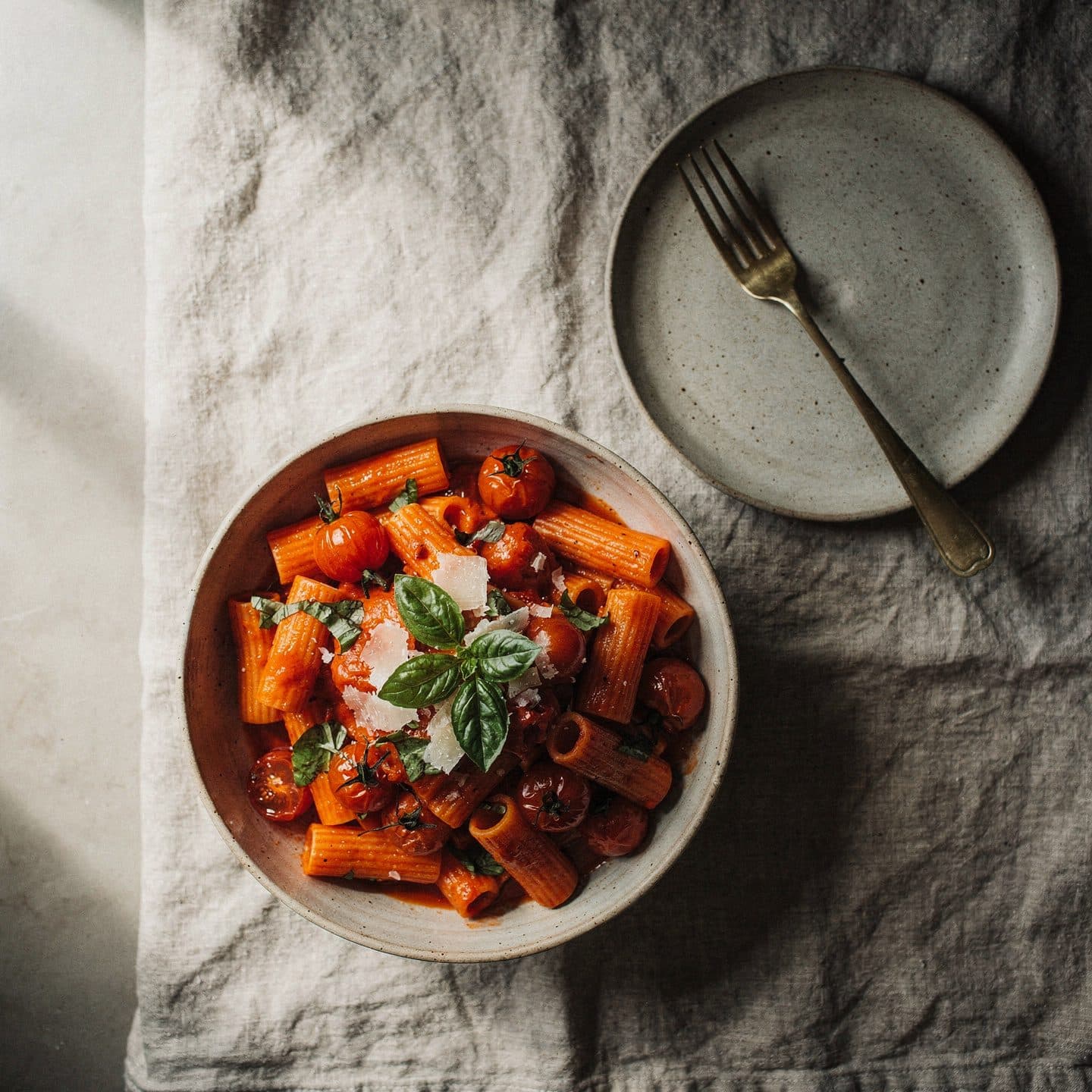
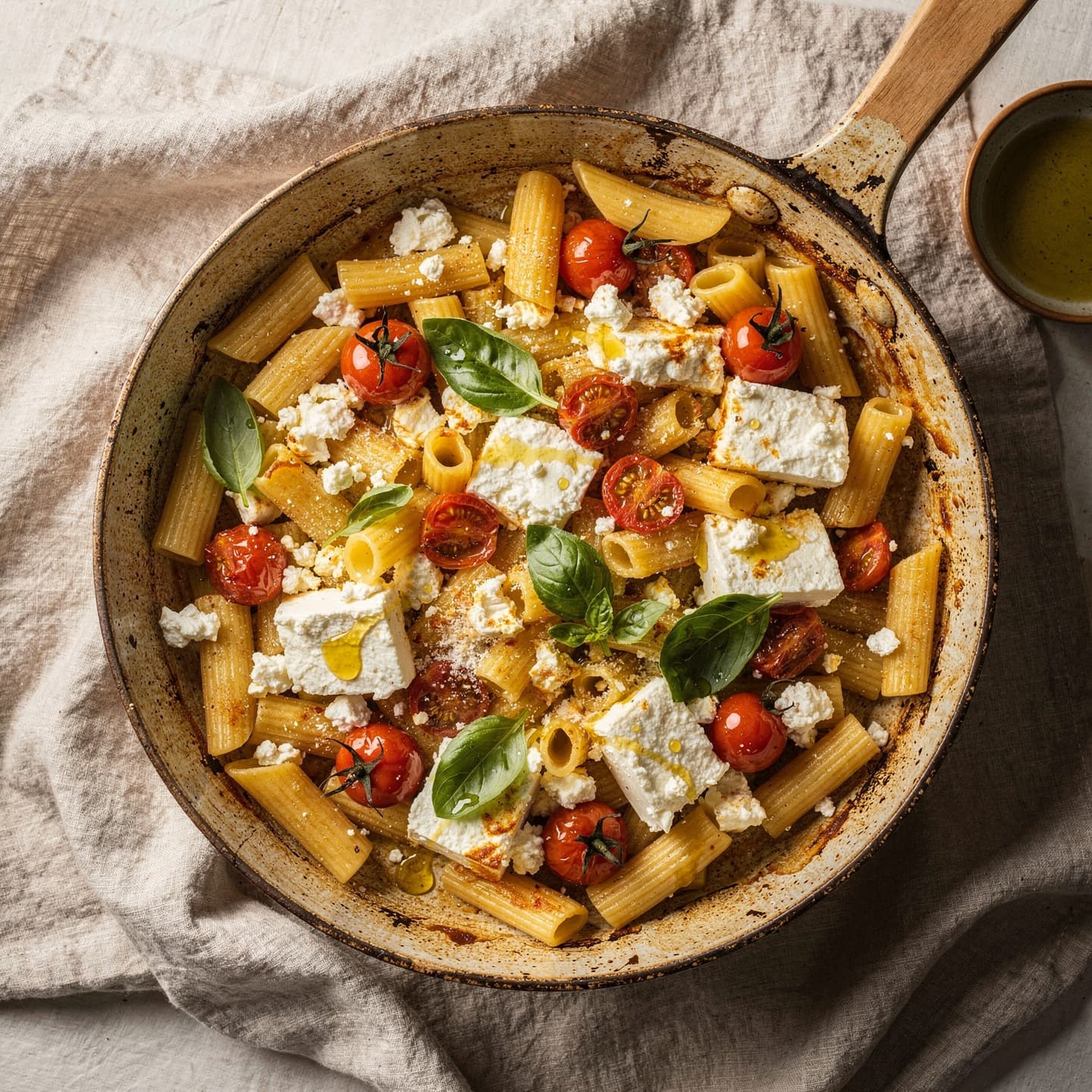
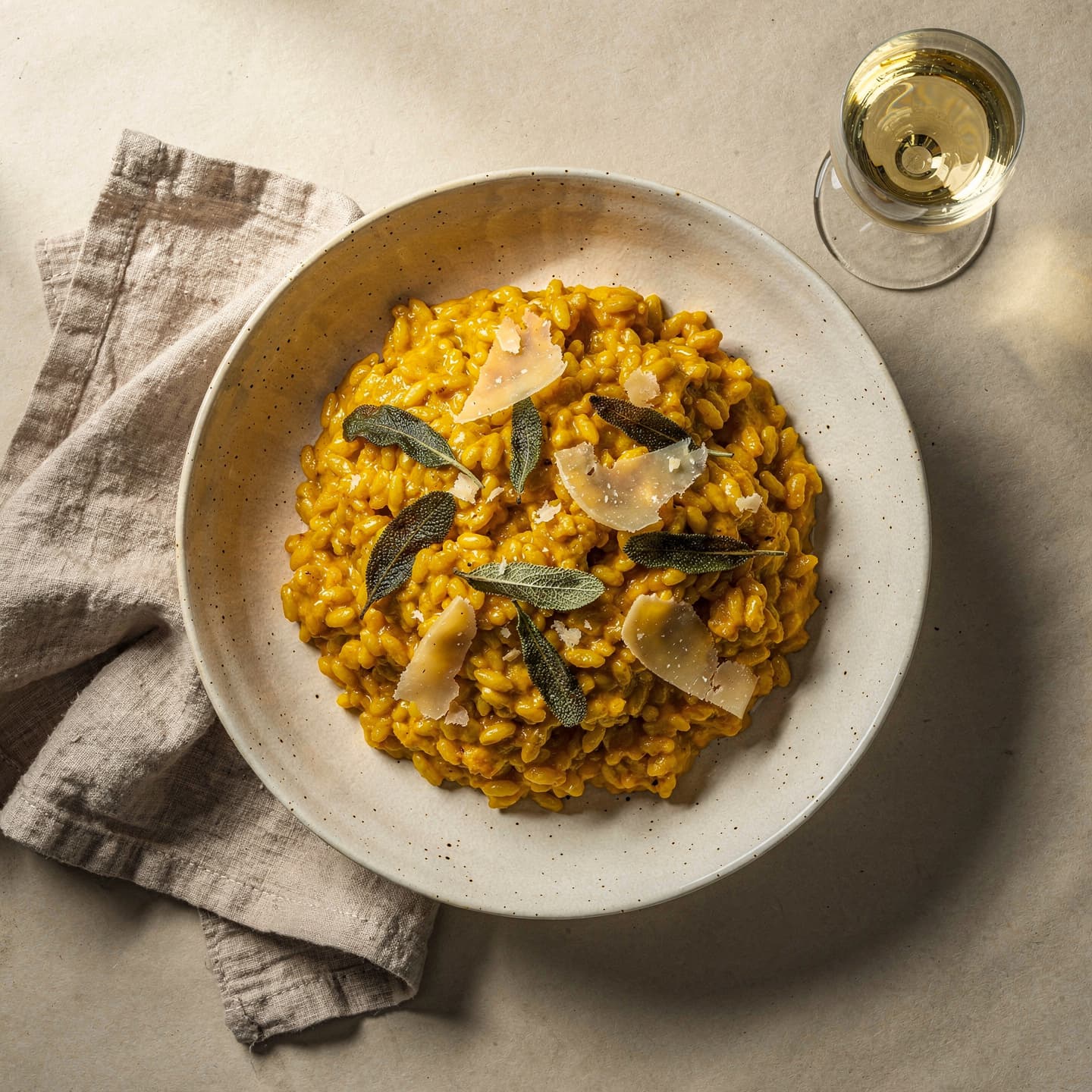
How to Build a Recipe Collection You'll Actually Cook From
Most people's recipe collections are 90% aspirational, 10% actual dinners. Here's how to build one you'll really use.
A recipe collection should be useful, not impressive. But most people's collections trend toward the impressive (hundreds of saved recipes, beautiful screenshots, aspirational pins), and very few of them ever become actual meals.
If you want a recipe collection that makes cooking easier, you need to build it differently than most people do.
The problem with most recipe collections
The typical recipe collection is built by saving everything that looks good. The problem: looking good and "I will actually make this" are very different standards.
You save the soufflé because it's beautiful. You save the elaborate ramen because you love ramen. You save the 40-ingredient Moroccan lamb because it's ambitious. And then Wednesday night comes around and you need dinner in 30 minutes, and none of those recipes are what you're looking for.
A useful recipe collection is filtered.
Building a collection that works
Start with what you already make
The recipes you rely on most aren't always written down anywhere. Before adding new recipes, write down the 10-15 dishes you already make on rotation, the meals that show up in your household without much planning.
These are your anchor recipes. They're your baseline, and they belong in your library first.
Getting these into a recipe app also means you have accurate ingredient lists for grocery shopping, which alone is worth the effort.
The "would I actually make this?" test
When you find a new recipe to save, ask one question: Would I actually make this in the next 3 months?
Not "is this impressive?" Not "does this look delicious?" Not "would I eat this at a restaurant?"
Would you make it, given your skill level, your kitchen equipment, your available time, and your household's preferences?
If yes: save it. If maybe someday: skip it (or create a separate low-priority list).
Most recipes fail this test. That's okay. Apply it, and your collection shrinks to something manageable and actionable.
Build by category
A useful collection covers all your bases. Think in categories:
Weeknight dinners (under 45 min): Your most important category. At least 15-20 recipes here.
Weekend cooking: Recipes that take more time but are worth it. Braises, roasts, homemade pasta. 10-15 recipes.
Quick lunches: Sandwiches, grain bowls, salads, soups that reheat well. 10 recipes.
Breakfasts: Both quick (weekday) and leisurely (weekend). 8-10 recipes.
Batch cooking: Recipes that make a lot and freeze well. Soups, stews, casseroles. 8-10 recipes.
Entertaining: Your go-to recipes when you're cooking for guests. 10-12 recipes.
Desserts: For when you want to bake. 8-10 recipes.
When you fill out these categories intentionally, your collection covers your life instead of being 80% dinner recipes and nothing else.
One new recipe per week
The best recipe collections grow slowly and intentionally. One new recipe per week means 52 new recipes per year. That's more than enough to keep cooking interesting without overwhelming your collection with untested aspirational saves.
Try the new recipe, then decide: is this a keeper? If yes, it stays. If not, remove it. Your collection should only contain recipes you'd make again.
Note when you cook something
When you make a recipe, add a quick note: "Made March 2026 — add more garlic next time" or "Family loved this, double the recipe." These notes transform a recipe library into a personal cooking history.
After a year, your notes tell you which recipes are reliable, which need adjustments, and which you tried once and didn't love.
How to organize it
Tags over folders
Folders force you to pick one home for each recipe. Tags let a recipe live in multiple contexts — a "chicken thighs" recipe might also be "weeknight," "batch-cookable," and "kid-friendly."
Choose 3-5 tags when you add a recipe. Build your tagging system as you go (you'll see patterns emerge).
Useful tag categories:
- Time: under-30, under-45, weekend
- Main ingredient: chicken, beef, seafood, vegetarian, pasta, rice
- Occasion: weeknight, batch-cook, entertaining, breakfast, lunch
- Dietary: gluten-free, dairy-free, vegan, low-carb
- Cuisine: Italian, Mexican, Asian, Mediterranean
Search by ingredient
The feature you'll use most in a recipe manager: finding recipes by what's in your kitchen. If you tag your recipes with main ingredients, you can search "salmon" and see every salmon recipe you own. Search "lemon" and see everything that uses lemon.
Combined with a pantry tracker (what you have right now), this becomes your weeknight planning engine: search by available ingredients, find dinner options, pick one.
Separate your "wants to try" list
Keep aspirational recipes separate from your tested collection. Create a "To Try" tag or folder for recipes you've saved but haven't made yet.
This way your main library is only tested, vetted recipes, and the aspirational list stays out of the way until you're ready to experiment.
Getting started: migrating from your current system
If you have recipes scattered across Pinterest, Instagram, bookmarks, and a notes app, the migration doesn't have to be all at once:
Week 1: Import your top 15 most-used recipes Week 2-4: Import anything from your current system that passes the "would I actually make this" test Month 2+: Continue adding one new recipe per week as you find them
Don't try to import everything at once. Curate as you migrate.
The right tools
Any recipe manager works. The features that make a collection usable:
- URL import: not manual entry for every recipe
- Photo import with AI: for cookbooks and screenshots
- Tags: not just folders
- Ingredient search: find recipes by what you have
- Cross-device sync: accessible on your phone in the kitchen
RecipeClip has all of these. Import from any URL in seconds, scan a photo of a cookbook recipe, tag by ingredient and occasion, and search from any device. Not sure which app is right for you? See our comparison of the best recipe apps of 2026.
The collection you'll actually cook from
A great recipe collection is: small enough to browse, organized enough to search, and accurate to how you actually cook — not how you imagine you cook.
Build it intentionally. Prune it regularly. And cook from it. That's the whole system.
A collection you cook from beats a collection you scroll past. RecipeClip is one place to keep it: import from a URL or a cookbook photo, tag it, and search by what's in the fridge. Start for free.